The International
Partnership
for the Satoyama
Initiative (IPSI)
More information on these concepts is
provided in the following pages
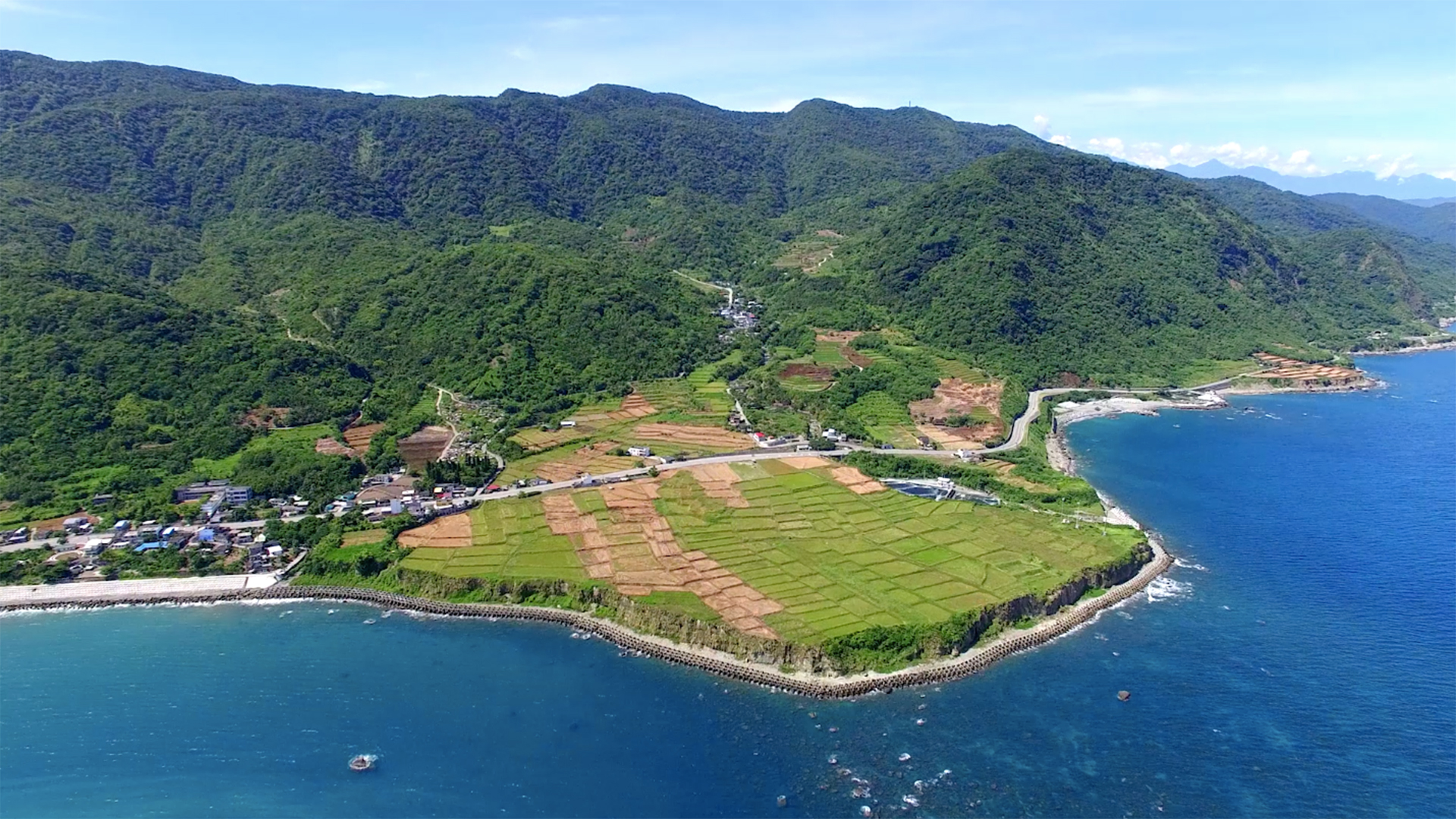
Video, 2018 Hualien Forest District Office,
Forestry Bureau, COA and the Vision Way
Communication Co LTD

NEWS
-
 News
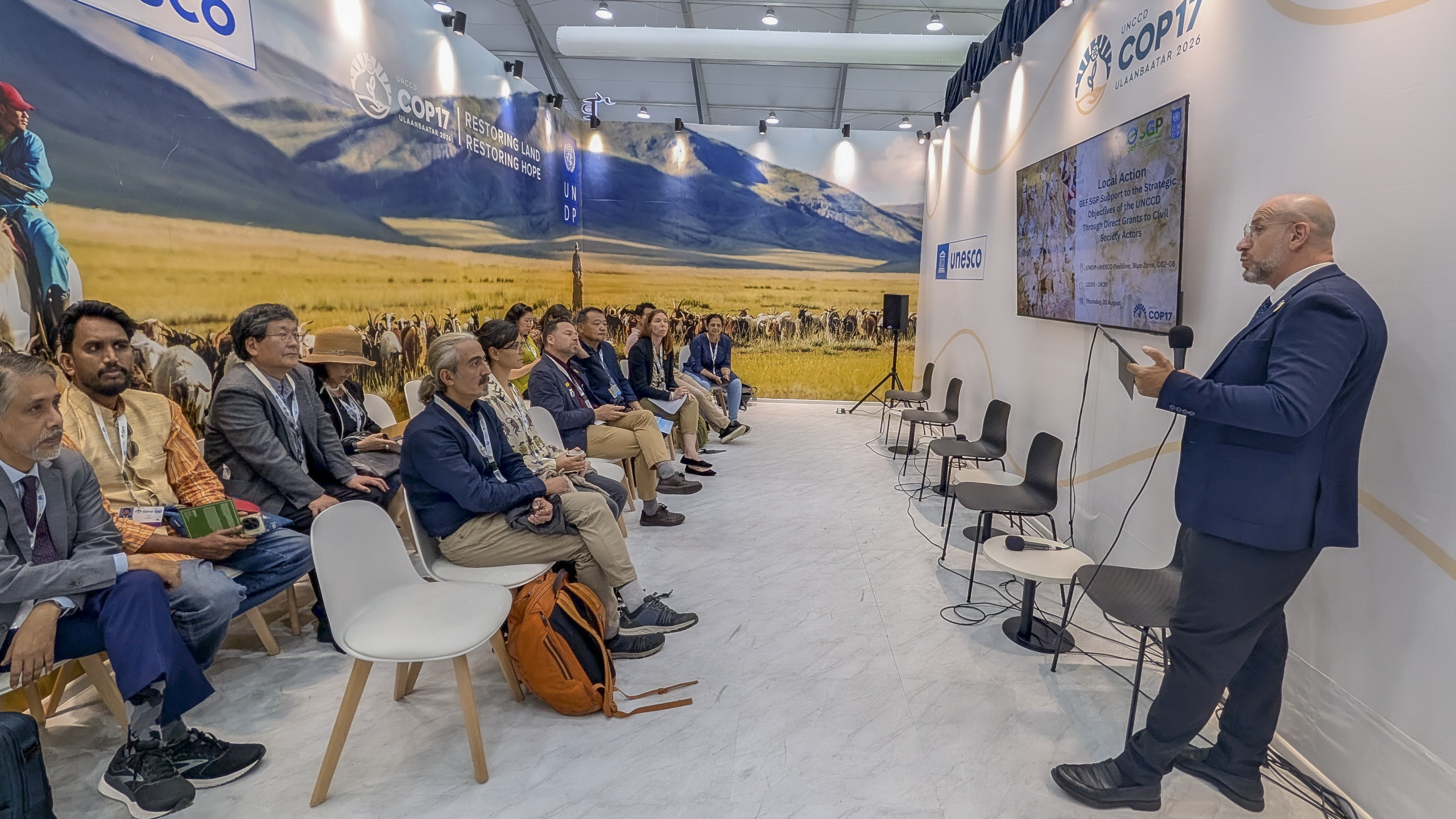
NewsIPSI Highlights at UNCCD COP17
A round-up of IPSI's contributions to UNCCD COP17 in Ulaanbaatar, covering landscape restoration, governance and finance.
2026.08.27 -
 News
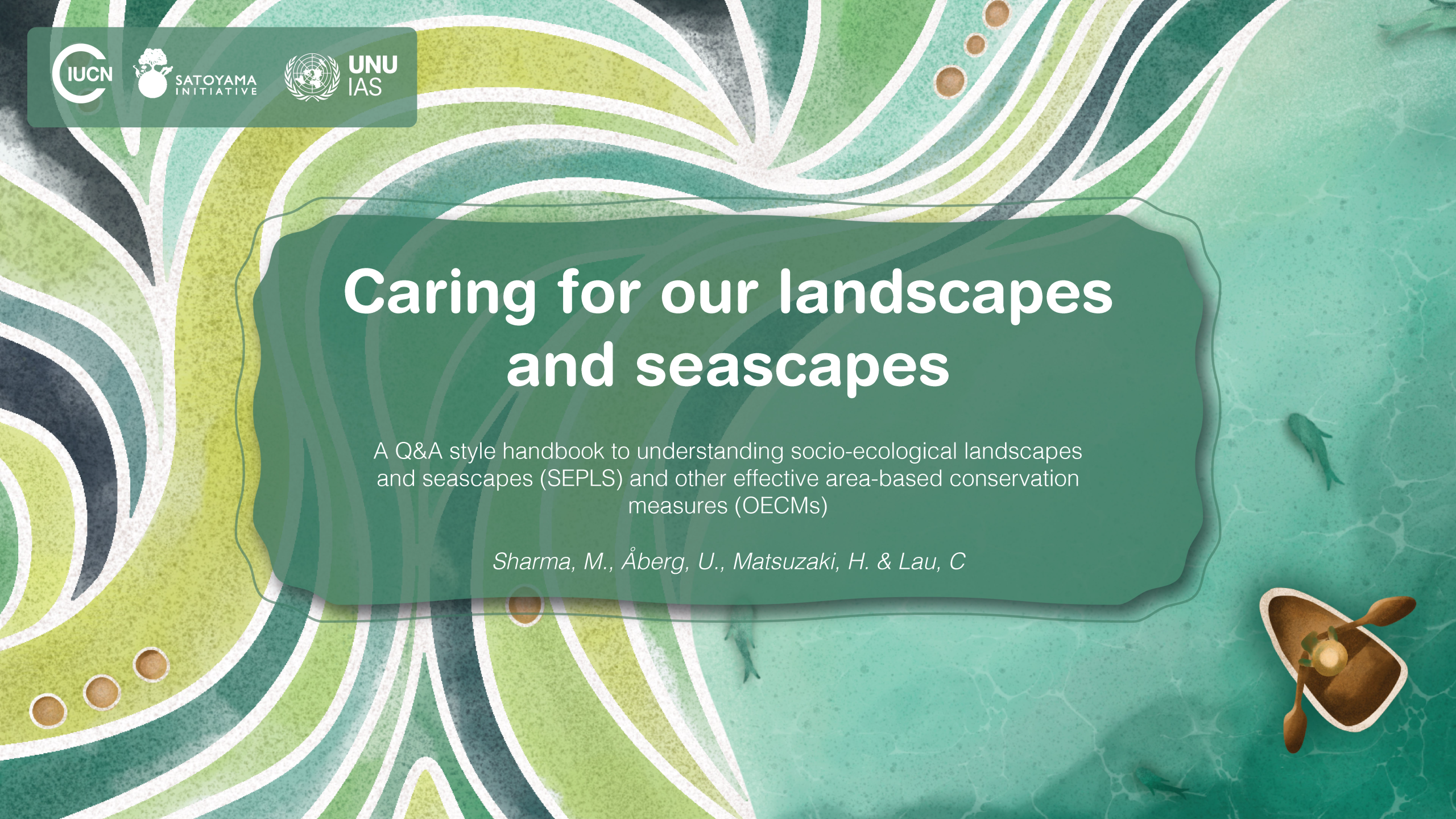
NewsCaring for Our Landscapes and Seascapes
A Q&A Style Handbook to Understanding Socio-ecological Production Landscapes and Seascapes and Other Effective Area-based Conservation Measures
2026.08.14 -
 SDM
SDMSDM 2026 Call for Proposal Open!
2026.08.07
EVENTS
-
 IPSI Global ConferenceUpcoming
Application Open! The 11th IPSI Global Conference (IPSI-11)
2026.08.31 -
 Other events
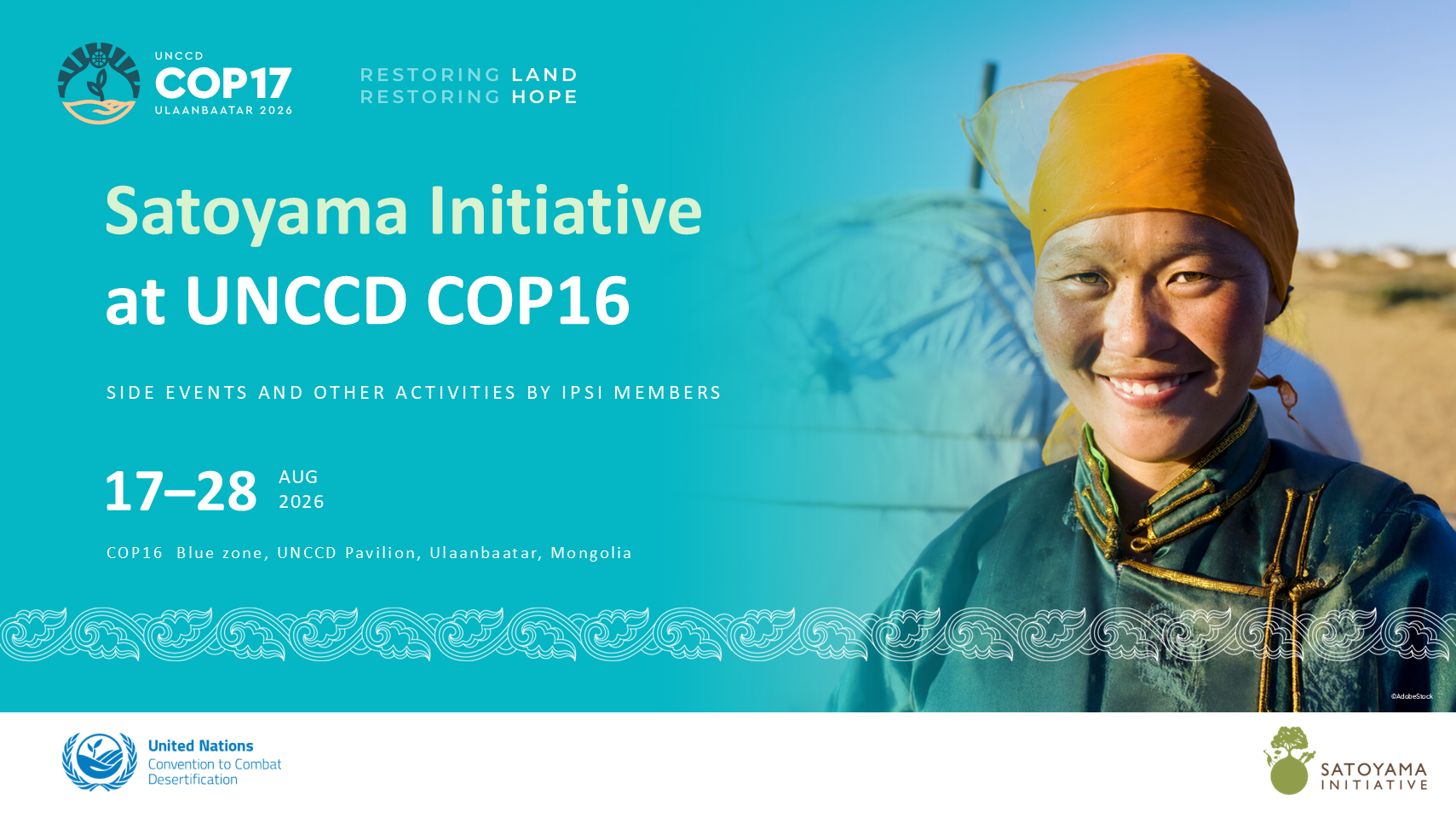
IPSI at UNCCD COP17
2026.07.21 -
2026.06.17|Other events
Implementing Nature Positive through Landscape Approaches
-
2026.01.29|IPSI Global Conference
IPSI-10 Public Forum: Conservation in Mountain Landscapes and Sustainable Ecotourism
-
2026.01.12|Other events
Second Webinar on the Actionable Implementation Plan (AIP) of the IPSI PoA 2023-2030
CASE STUDIES

IPSI case studies are intended to crystallize IPSI members’ experiences working for SEPLS, which can vary greatly due to the wide range of different regions and ecosystem types, issues being addressed, and approaches and methods used. Case studies should therefore address authors’ experiences and contain useful information about their activities in conserving and revitalizing SEPLS as well as cautionary points and lessons learned.