

NEWS

IPSI Adopts Actionable Implementation Plan at Tenth Global Conference in Ecuador
2026.03.18
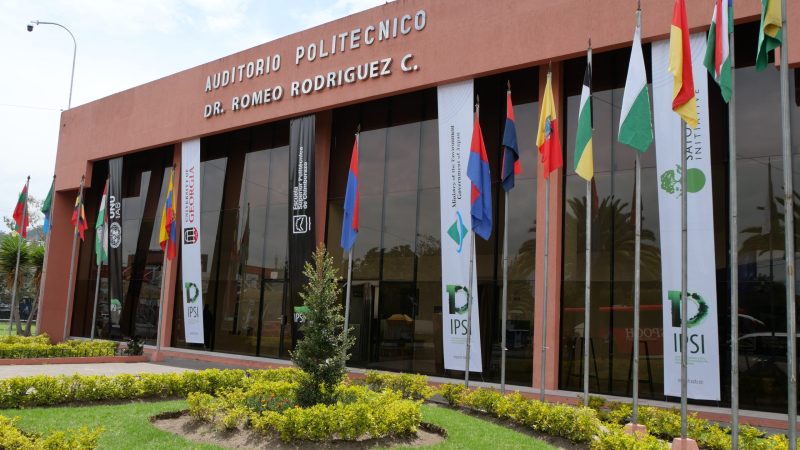
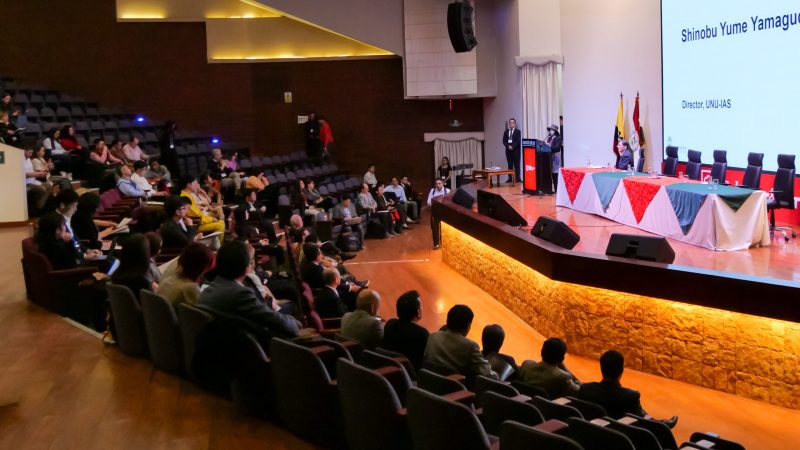
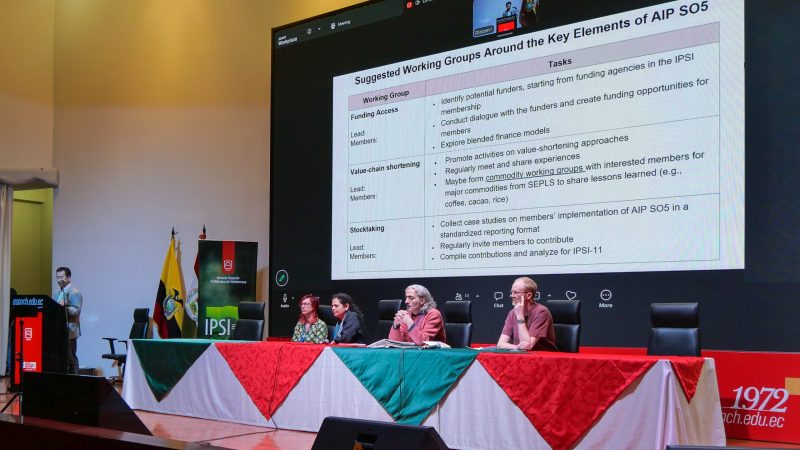
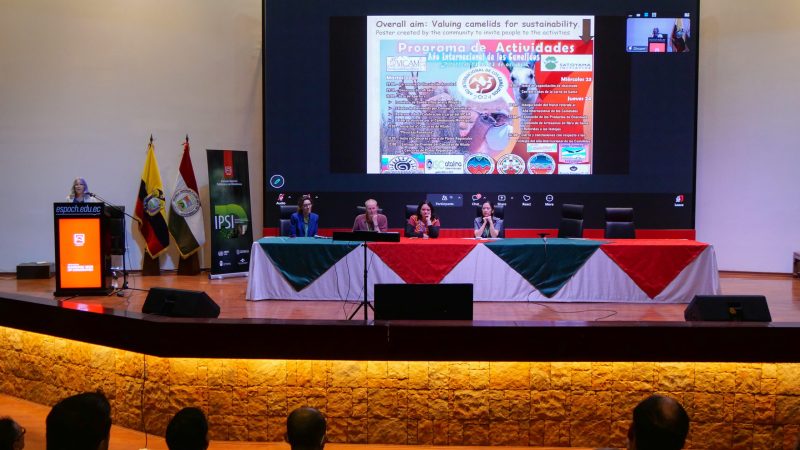
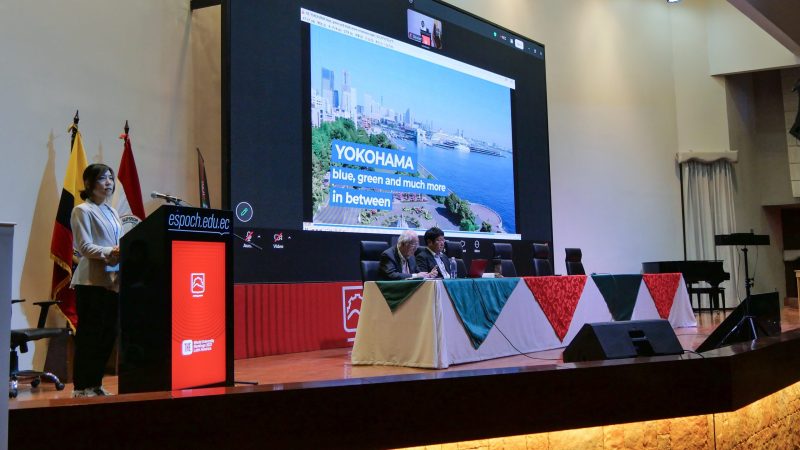
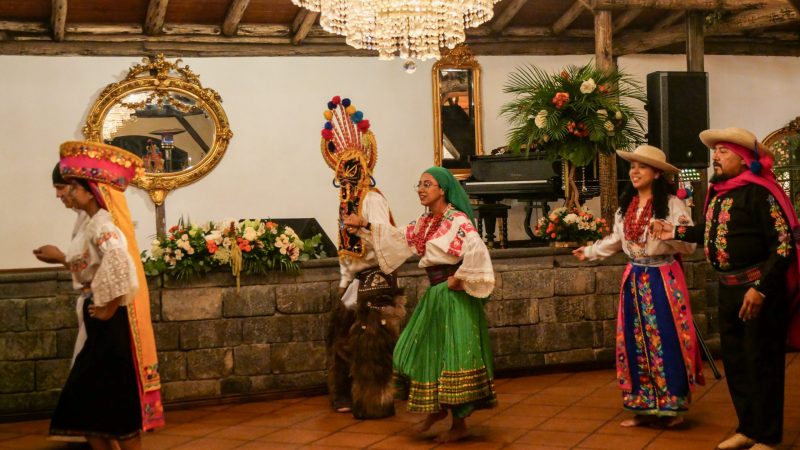
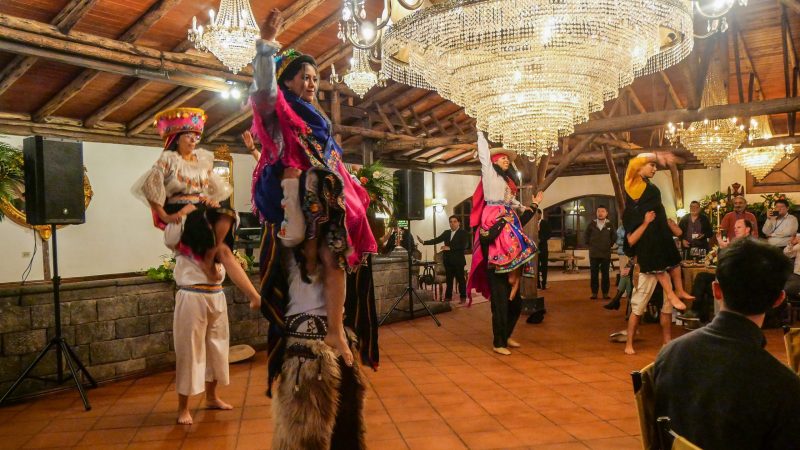
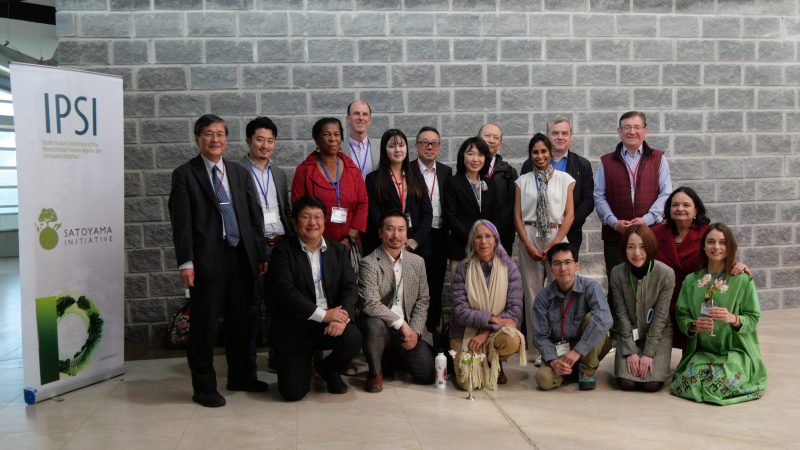
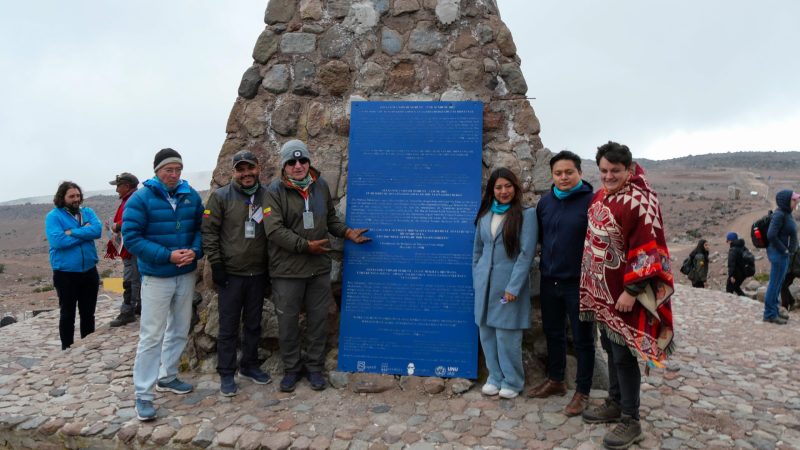
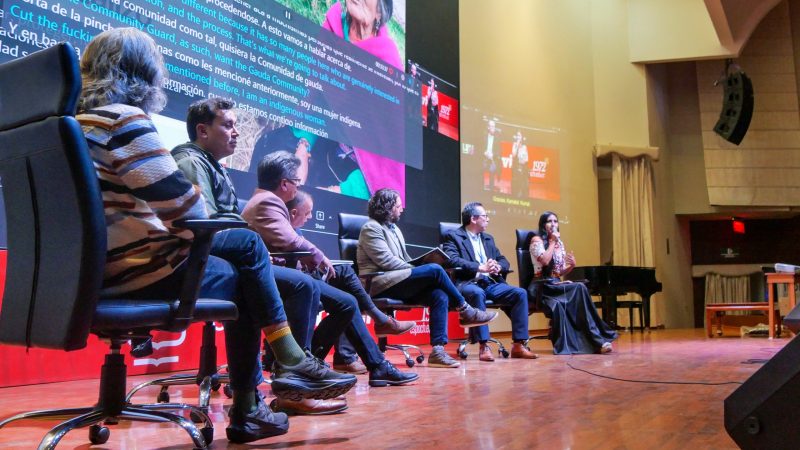
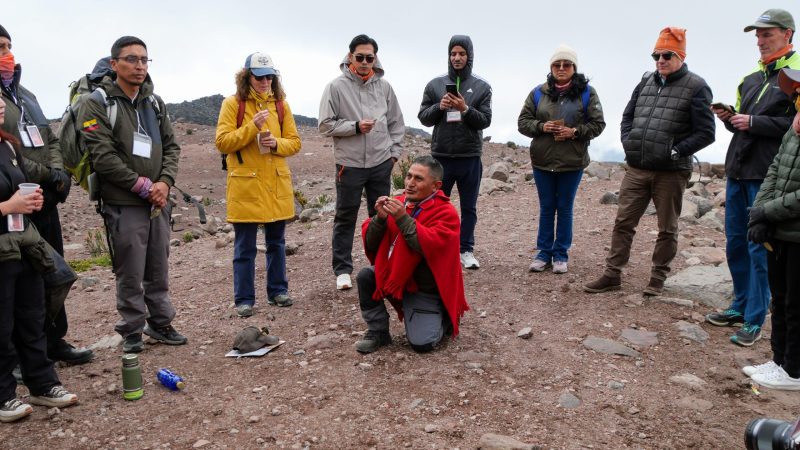
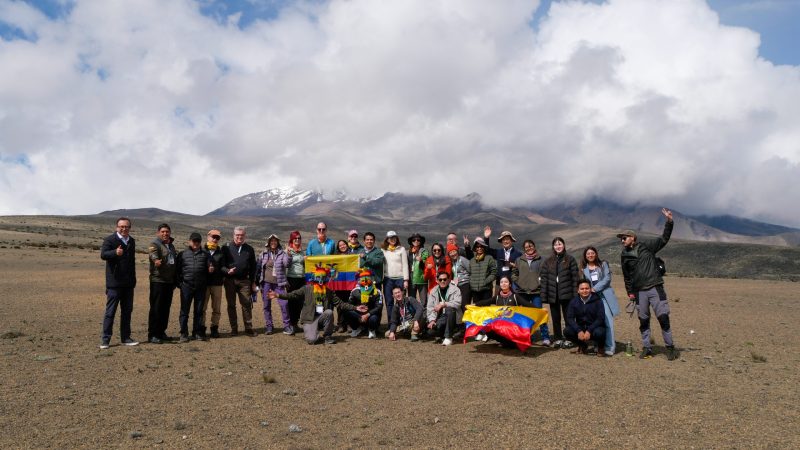
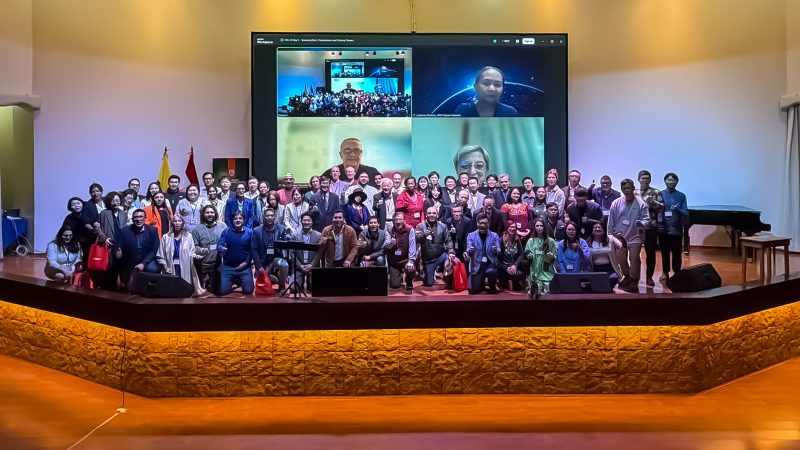
On 3–5 March 2026, the Tenth Global Conference of the International Partnership for the Satoyama Initiative (IPSI-10) was hosted by the Escuela Superior Politécnica de Chimborazo (ESPOCH) in Riobamba, Ecuador. The conference brought together policymakers, researchers, Indigenous Peoples and Local Communities (IPLCs) and practitioners to exchange knowledge and strengthen collaboration on the sustainable management of socio-ecological production landscapes and seascapes (SEPLS).
Participants reviewed progress since the previous global conference in 2023 and discussed priorities for advancing the partnership’s work. A key outcome was the adoption of the Actionable Implementation Plan (AIP) for the IPSI Strategy and Plan of Action 2023–2030, which provides a roadmap for coordinated action by IPSI members to support biodiversity conservation, climate resilience and sustainable livelihoods. The document will be finalized following revisions based on feedback received during the conference, with publication expected in April 2026.
The AIP outlines concrete actions across five strategic objectives, including strengthening knowledge generation and sharing, enhancing institutional frameworks and capacity development, promoting conservation through protected areas and other effective area-based conservation measures (OECMs), advancing ecosystem restoration and supporting sustainable value chains. These actions include promoting knowledge exchange through case studies, supporting Indigenous and local knowledge systems and fostering community-based restoration and sustainable production practices. Collectively, they also contribute to the implementation of the Kunming-Montreal Global Biodiversity Framework.
Through plenary discussions, project presentations and thematic breakout sessions, participants advanced collaboration between IPSI members and partners, enhancing knowledge exchange, and mobilizing resources to support implementation of the AIP.A public forum on conservation in mountain landscapes and sustainable ecotourism highlighted the importance of SEPLS approaches in supporting both biodiversity conservation and the culture livelihoods of IPLCs.
Participants also joined study tours to the Chimborazo Wildlife Reserve and the nearby city of Guano, where they explored local landscapes and learned about cultural practices such as traditional bread-making, camelid wool production and community-based tourism. Set against the backdrop of Chimborazo —the highest peak in Ecuador and the point on Earth farthest from its centre, making it the closest point to the sun — the visits highlighted the close links between nature and culture, as the mountain is revered as Taita Chimborazo (Father Chimborazo) by Indigenous communities in the region.
The next IPSI Global Conference will be hosted by the City of Yokohama, Japan in 2027, continuing IPSI’s role as a platform for members to collaborate, exchange knowledge and jointly advance the Satoyama Initiative and the sustainable management of SEPLS worldwide.
The conference was co-organized by the IPSI Secretariat at the United Nations University Institute for the Advanced Study of Sustainability (UNU-IAS), the University of Georgia (UGA) and the Ministry of the Environment of Japan (MOEJ).