

Systematic Ecosystem and Landscape Management: Swanton Pacific Ranch as a Sustainable Living Classroom
02.04.2026
-
SUBMITTING ORGANIZATION
-
Department of Natural Resource Management and Environmental Science, California Polytechnic State University
-
DATE OF SUBMISSION
-
November 2025
-
REGION
-
Americas
-
COUNTRY
-
United States of America
-
KEYWORDS
-
Place-based learning, learn by doing, ranch management, sustainable land management
-
AUTHORS
-
Yiwen Chiu, Jenna Holland / Affiliation: California Polytechnic State University
-
ADDITIONAL INDIVIDUALLY RECOGNIZED CONTRIBUTORS
-
Emily Steffenhagen, Katie Duff, Walter Ruzzo, Mark Swisher
Summary Sheet
The summary sheet for this case study is available here.
1. Introduction
Swanton Pacific Ranch (SPR), a 3,200-acre working ranch along California’s Central Coast, represents a living example of a socio-ecological production landscape (SEPL). Owned by Cal Poly and operated as an educational, research, and working ranch facility, the ranch integrates sustainable agriculture, ecological restoration, and community engagement. In the aftermath of the 2020 CZU Lightning Complex Fire, SPR has entered a transformative phase focused on resilience, adaptive management, and whole systems thinking.
The purpose of this case study is to present a performance-based management plan for SPR. This plan draws from existing sustainability frameworks and recent student-led work, while situating the ranch within the global context of the Satoyama Initiative. By monitoring ecological, social, and economic indicators over time, SPR seeks to evaluate the effectiveness of its land management strategies, strengthen community ties, and model sustainable human-nature interactions.
1.1 Background
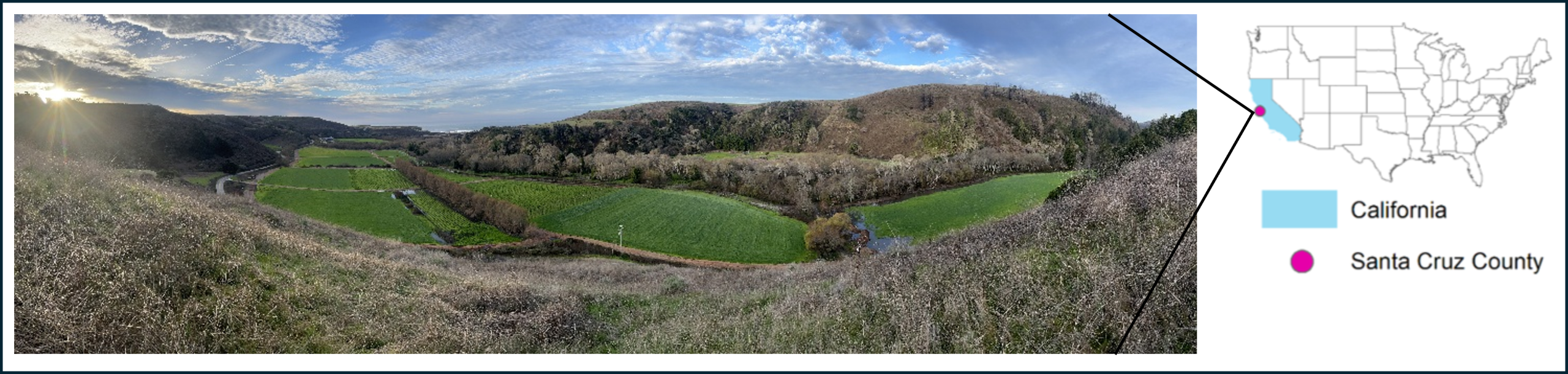
SPR is located in the coastal foothills of the Santa Cruz Mountains, overlooking the Pacific Ocean (Figure 1). The 3,200-acre ranch encompasses forests, rangelands, croplands, riparian zones, and wetlands, creating a diverse ecological and cultural landscape. This diversity of land uses positions SPR as both a working ranch and a site of conservation significance, exemplifying the characteristics of a SEPL.
The ranch has a long history of human use, ranging from Indigenous stewardship to agriculture, logging, and ranching through the 19th and 20th centuries. In 1993, SPR was donated to Cal Poly by Al Smith, a university alumnus, with the stipulation that it remain a working ranch dedicated to agriculture, recreation, and education. Since then, the ranch has served as a living laboratory for Cal Poly students, faculty, and community members, offering hands-on opportunities for learning, research, and applied land management.
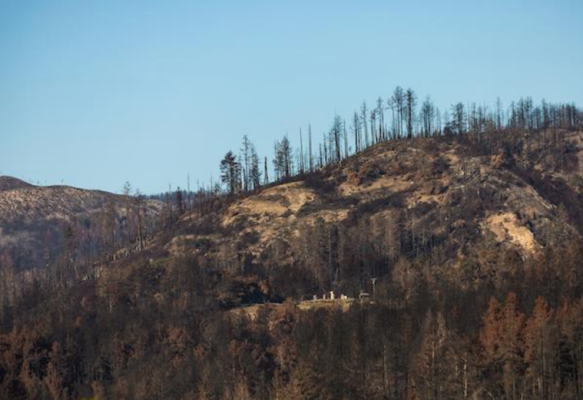
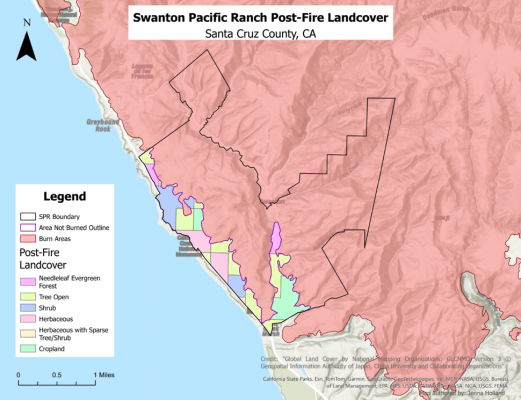
The ecological importance of SPR is underscored by its location within a global biodiversity hotspot shaped by its Mediterranean climate, fog, and ecological history. In 2020, the CZU Lightning Complex Fire burned the majority of the ranch, destroying infrastructure and altering ecosystems (Figure 2). While devastating, the fire catalyzed a transformative process at SPR: an opportunity to rebuild with climate resilience, adaptive management, and whole systems thinking at the center of operations.
1.2 Socio-Economic & Environmental Characteristics
SPR is defined by the dynamic interaction between ecological systems and human use. Its environmental, social, and economic dimensions are deeply interwoven, reflecting the Three Pillars of Sustainability and the Satoyama Initiative’s principles.
Environmental: SPR supports a wide range of ecological communities, including redwood and mixed conifer forests, rangelands, croplands, and riparian habitats. These ecosystems provide critical services such as carbon sequestration, water filtration, erosion control, and wildlife habitat. Ongoing challenges include post-fire forest recovery, invasive species management, and adapting to climate-driven stressors such as drought and increased wildfire risk.
Social: The ranch plays a vital role in Cal Poly’s “Learn by Doing” philosophy, providing field-based educational experiences for students across disciplines. It also serves as a hub for community engagement, hosting workshops, U-pick events in the apple orchard, and collaborative research with local partners. Social sustainability at SPR is expressed through inclusivity, knowledge-sharing, and building long-term relationships with students, alumni, Indigenous communities, and regional stakeholders.
Economic: SPR is both an educational facility and a working ranch. Its cropland leases, organic apple orchard, and cattle operations generate revenue while modeling sustainable agricultural practices. Economic resilience is supported by diversification, entrepreneurial initiatives, and alignment with regenerative practices such as carbon farming and holistic grazing. These strategies aim to ensure that operations are financially viable while enhancing ecological and social outcomes.
1.3 Objectives and Rationale
The objective of this case study is to present SPR as a model of a socio-ecological production landscape that embodies the principles of the Satoyama Initiative and share the sustainability monitoring plan of the ranch. This report aims to:
- Demonstrate the integration of the sustainability pillars by showing the ecological restoration, community engagement, and economic resilience at SPR.
- Establish a performance monitoring framework by identifying key ecological and social indicators such as the Satoyama Index, Net Primary Productivity (NPP), carbon sequestration, and measures of community participation.
- Guide adaptive management by using monitoring results to evaluate land use practices and inform decision-making, ensuring that management strategies remain responsive to ecological and social change.
- Model resilience after disturbance by documenting SPR’s recovery and transformation following the 2020 CZU Fire as an example of how working landscapes can adapt to climate-related challenges.
- Contribute to global learning by positioning SPR as a demonstration site within the Satoyama Initiative, offering lessons for similar working landscapes in balancing production, conservation, and community well-being.
SPR represents a dynamic platform for advancing socio-ecological systems research by operationalizing Satoyama principles within a multifunctional landscape. While recovery from the 2020 CZU Fire remains ongoing, this transitional phase is leveraged to strategically launch new academic programming and research alliances, fostering an integrated vision for sustainability. Through ecological restoration, community engagement, and economic resilience, supported by a robust monitoring framework, SPR provides empirical insights for adaptive management under climate variability. By linking indicators such as the Satoyama Index, NPP, carbon sequestration, and social participation, SPR contributes to global knowledge on resilient production landscapes, informing transformative sustainability science.
2. Performance Monitoring Framework & Activities
Effective management of SPR requires a structured monitoring plan that integrates quantitative indicators across ecological, social, and economic dimensions. This section outlines how indicators will be adopted as part of an adaptive management framework. These tools will guide decision-making, identify relevant field data needs, and provide early warning signals of ecological change. By incorporating indicators such as the Satoyama Index (SI), Net Primary Productivity (NPP), and carbon sequestration, SPR can systematically track progress towards sustainability goals.
2.1 Geospatial Analysis
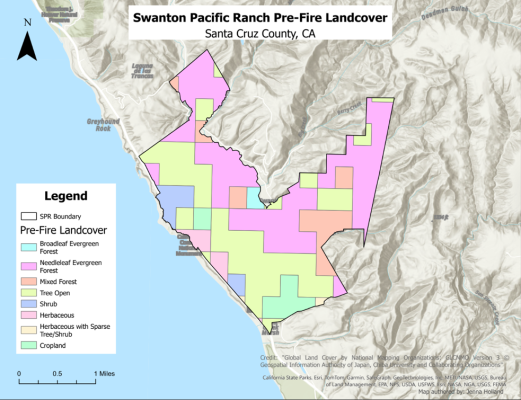
Landscape diversity and spatial patterns of land use are central to understanding ecosystem resilience at SPR (Figure 3 and Figure 4). Geospatial tools such as remote sensing and geographic information system (GIS) are used to classify land cover types both before and after major disturbances, such as the 2020 CZU Lightning Complex Fire. This information supports evaluation of regeneration rates, identification of areas requiring restoration, and detection of invasive species or erosion risks. Integrating classification outputs with field observations enhances understanding of successional pathways and resilience under varying fire intensities.
2.2 Satoyama Index
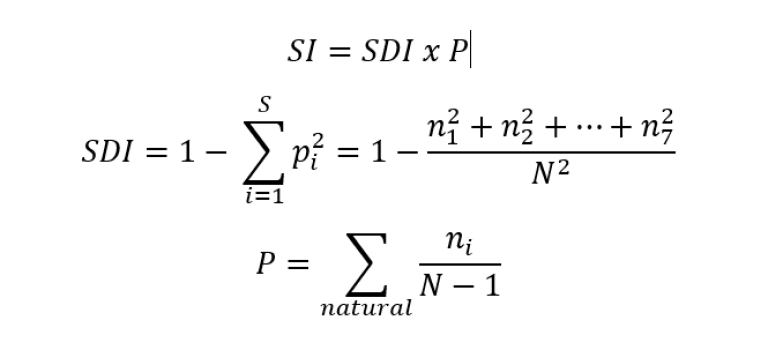
The Satoyama Index (SI) measures the diversity and balance of land use in socio-ecological production landscapes (Kadoya et al., 2011). It ranges from 0 (homogenous monoculture landscape) to 1 (highly heterogeneous landscape, including a minimum of agricultural cover. The SI is calculated by multiplying Simpson’s Diversity Index (SDI) by the proportion of non-urban, non-cropland land cover (P) (Natori et al., 2021).
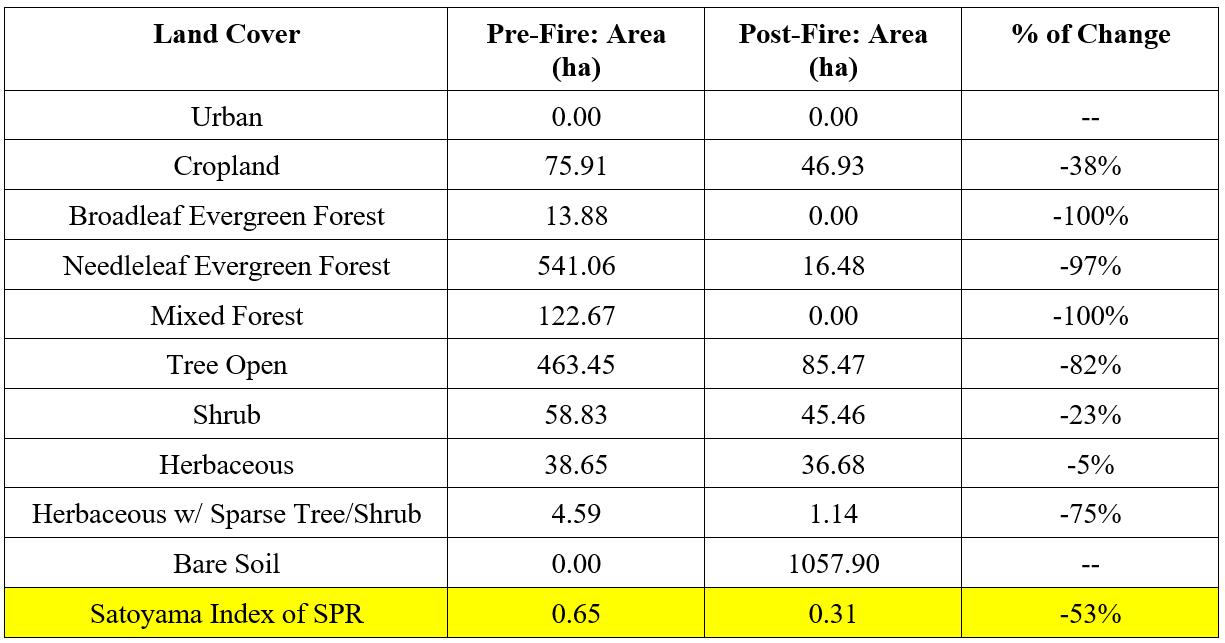
Using the Satoyama Index (SI) as a representative metric, we observed a substantial decline of approximately 53%, from 0.65 to 0.31, following the wildfire event (Table 1). Prior to the disturbance, the SI value for the SPR landscape significantly exceeded the global average of 0.43 (Natori et al., 2021), indicating a high level of landscape diversity. However, post-fire measurements revealed a marked reduction, placing the SPR landscape well below the global benchmark.
Table 1. Satoyama Index of Swanton Pacific Ranch Pre- and Post-fire Area by Land Cover.
Incorporating quantitative indicators such as the Satoyama Index (SI) into land management practices offers a robust framework for assessing and monitoring landscape diversity. As a composite metric that reflects both ecological and socio-cultural dimensions of land use, the SI enables objective, data-driven evaluations of landscape heterogeneity. This facilitates standardized comparisons across regions and temporal scales, allowing for the detection of significant changes–such as those induced by wildfires or urban expansion. Moreover, the SI supports adaptive management by serving as an early warning tool for ecological degradation, guiding timely interventions. Its integration into planning processes enhances policy relevance by aligning local land-use decisions with the global biodiversity targets, such as those outlined in the Convention on Biological Diversity and the Sustainable Development Goals. Importantly, the SI also aids stakeholder communication by translating complex ecological dynamics into accessible metrics, thereby fostering transparency and collaborative decision-making. Overall, the use of indicators like the Satoyama Index strengthens the scientific foundation of sustainable land management and promotes the resilience of socio-ecological systems.
3. Educational Integration
SPR functions as a living classroom where Cal Poly’s “Learn by Doing” philosophy is achieved through experiential education, interdisciplinary research, and community engagement. The integration of education within SPR’s sustainability framework ensures that environmental stewardship, social equity, and economic vitality are not only management priorities but also immersive learning outcomes. By embedding the principles of the Three Pillars of Sustainability and Landscape-Level Holistic Management into teaching and research, SPR provides students, faculty, and partners with a unique space to explore real-world solutions to complex environmental challenges.
3.1 Education as a Core Element of Sustainability
Education lies at the center of SPR’s sustainable management vision. The Sustainable Management Framework envisions the ranch as a place where students learn to think across systems, engage in collaborative stewardship, and develop the leadership skills necessary to sustain resilient working landscapes (Forstmann et al., 2023). In this way, sustainability and education are mutually reinforcing: the ranch provides an applied setting for research and learning, while students and faculty can contribute to its adaptive management through hands-on projects, monitoring, and innovation.
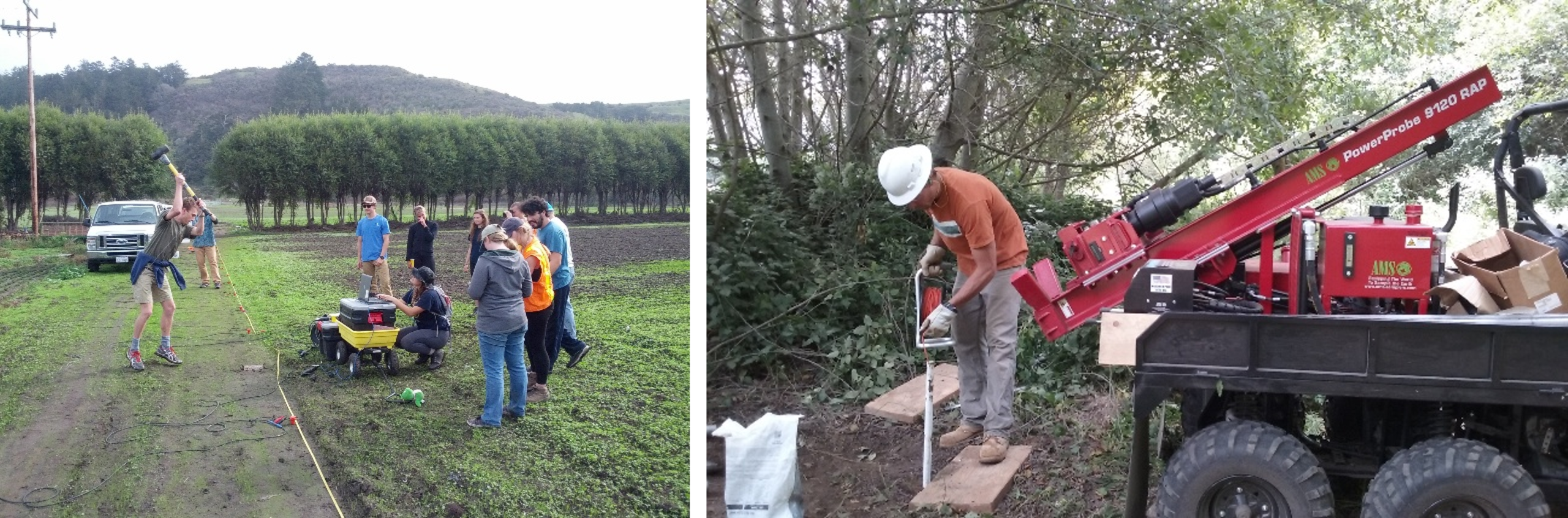
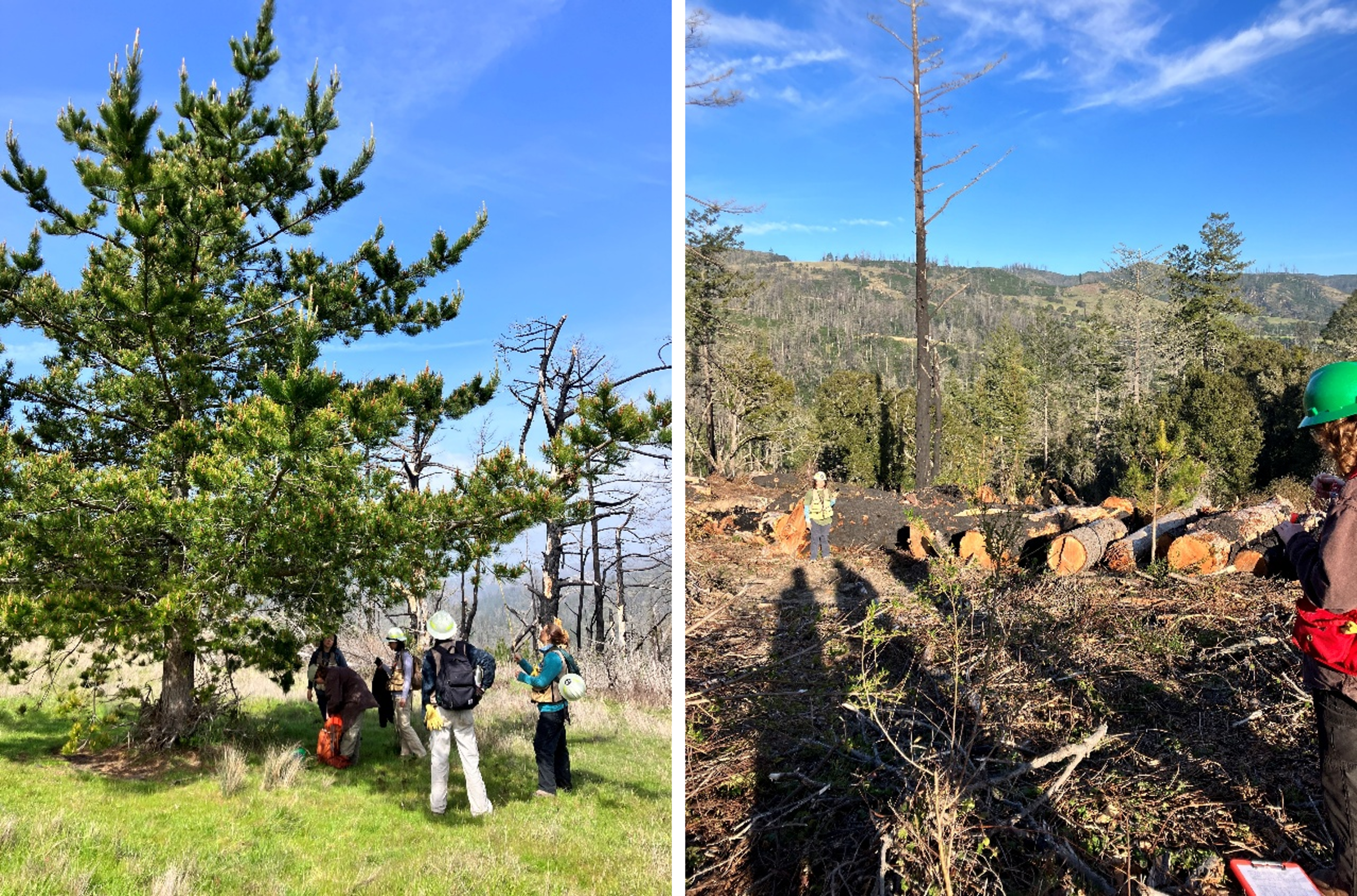
Students engage directly in practices such as regenerative agriculture, watershed monitoring, rangeland management, and forest restoration, all of which generate real data and inform on-site management (Figure 5). These experiences not only build technical expertise but also strengthen the social dimension of sustainability by fostering leadership, collaboration, and inclusivity. Educational integration at SPR thus advances both the ecological and social objectives of the ranch, preparing students to address the complex challenges of managing working landscapes in a changing climate.
3.2 Current and Emerging Academic Programs
The Swanton Pacific Ranch Academic Programming Plan (Chiu, 2025) outlines a strategic path to formalize and expand academic use of the ranch. Currently, SPR supports a variety of field-based and research-driven, and project-oriented courses that bring hundreds of Cal Poly students to the ranch each year. Between 2023 and 2024, 142 academic and research visits were recorded, engaging 663 Cal Poly students and 412 additional visitors, primarily for educational purposes. These visits included forestry, watershed management, rangeland management, and sustainable agriculture courses, as well as student research projects and capstone experiences (Figure 6).
The Academic Programming Plan identifies a strong demand among faculty and students for expanded access to the ranch. In faculty surveys, 82% of respondents expressed interest in teaching or conducting research at SPR, with many showing enthusiasm for short-term immersion with courses that complement their on-campus curriculum (Chiu, 2025). Similarly, student survey data revealed strong enthusiasm for immersive “study-away” opportunities at SPR, particularly those that would allow multi-week engagement in fieldwork, monitoring, and applied research. To meet these growing needs, the plan proposes the development of two academic engagement models: program-based and course-based.
The program-based model envisions a semester-long “study-away” program where students live at the ranch for an extended period, earning a minimum of 12 units through an integrated curriculum (Chiu, 2025). This model offers a rotating academic structure designed to engage students at different stages in their college careers while aligning with seasonal opportunities at the ranch. In the fall semester, the emphasis will be on advanced, project-based learning designed primarily for upper-division students. These offerings will center around multidisciplinary senior projects, applied research, professional development, and advanced seminars that give juniors and seniors a chance to fulfill degree requirements through hands-on, integrative work. In contrast, the spring semester will target first- and second-year students through a selection of General Education (GE) courses that build foundational skills in systems thinking, sustainability, and environmental literacy. These courses will introduce students to the ecological and socioeconomic aspects of sustainability while developing key skills such as critical analysis and quantitative reasoning. The summer term will serve as the most flexible academic period, accommodating both the program-based and course-based models. Summer sessions will feature shorter, intensive courses that make use of the season’s unique opportunities for applied fieldwork (Chiu, 2025). By operating year-round, the program-based model expands educational access across disciplines and student levels, strengthening Cal Poly’s mission through a “Learn by Doing” philosophy.
The course-based model makes SPR accessible to a wide range of Cal Poly courses without requiring long-term residence at the ranch. Instead, students participate in short, focused field experiences, ranging from single-day field trips to week-long immersive workshops, that align directly with their coursework and provide opportunities for hands-on learning in real-world settings (Chiu, 2025). These short-term visits are adaptable across disciplines, allowing faculty to design field components around course objectives such as soil analysis, invasive plant management, grassland ecology, wildlife monitoring, conservation biology, and biodiversity studies. This flexibility encourages participation from multiple colleges within the university and is especially valuable in introductory and general education courses for students who are new to field-based learning. By integrating these experiences into existing courses, the course-based model expands educational access to SPR for a diverse range of disciplines and learning levels.
Together, the program-based and course-based models establish a comprehensive academic framework that supports both depth and breadth in student engagement. Both approaches strengthen Cal Poly’s “Learn by Doing” philosophy by turning the ranch into a living, interdisciplinary classroom. Through these models, SPR is not only broadening its educational reach but is also creating the foundation for a more collaborative and resilient learning ecosystem.
3.3 Interdisciplinary Educational Opportunities
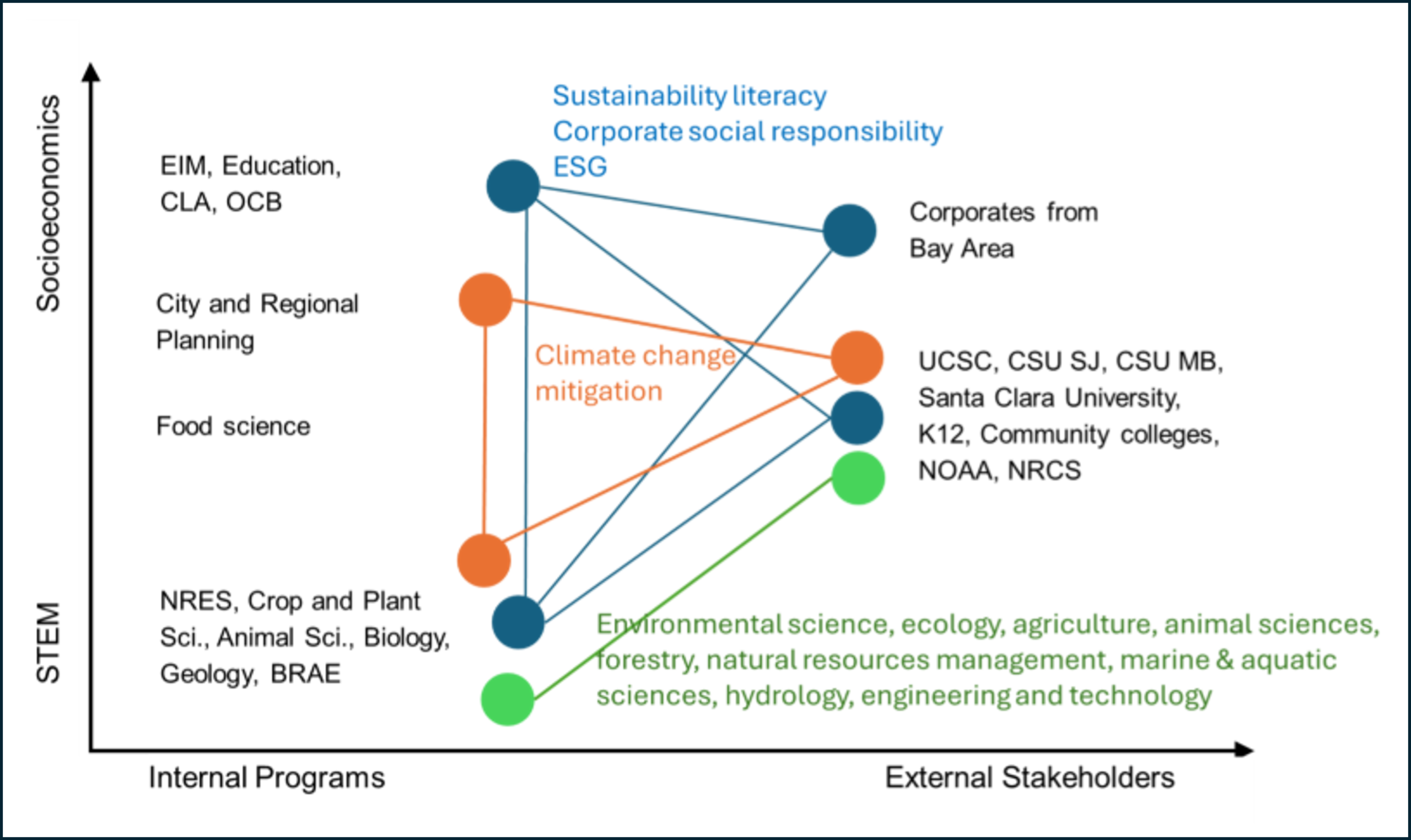
SPR’s diverse ecosystems make it uniquely positioned to host interdisciplinary education and research. According to the Academic Programming Plan (Chiu, 2025), the ranch provides a nexus for collaboration across environmental science, forestry, animal and plant science, water resource management, and sustainability assessment. Beyond the natural sciences, SPR also offers emerging opportunities for disciplines such as English, architecture, and education to develop immersion-based modules in sustainability literacy, communication, and design.
This interdisciplinary nexus is illustrated in the Academic Programming Plan’s disciplinary matrix (see Figure 7), which highlights how SPR’s landscapes, facilities, and ecological gradients align with a wide array of academic fields. The matrix demonstrates that the ranch is not simply a site for natural resource fields, but a platform where environmental science, agriculture, engineering, literacy education, and sustainability studies intersect.
Such a place-based education immerses learners in the ecological, cultural, and social dimensions of their local environments, fostering a direct connection between knowledge and place. By engaging with real-world landscapes and community issues, students develop critical awareness of how environmental systems function and how human actions shape them. This experiential approach cultivates stewardship, encourages systems thinking, and empowers informed decision-making. For sustainability and environmental study, grounding learning in the local context ensures that theory is linked to practice, transforming education into an active process of understanding and sustaining the environment. This educational paradigm can also cultivate systems thinking by showing how ecological, social, and economic processes interact within local contexts. When learners observe how land use influences water quality or biodiversity, for instance, they begin to practice on abstracting complex systems resonating global challenges such as climate change. This perspective moves students beyond linear reasoning and equips them to analyze complex relationships. By linking local experience with global systems, place-based learning builds the insight needed for effective and sustainable environmental problem-solving.
3.4 Future Direction and Integration Strategy
As SPR rebuilds and expands its infrastructure, the integration of education will continue to guide its evolution as a model of resilient land stewardship. The development of long-term housing, teaching labs, and digital infrastructure will enable semester-long programs and visiting research teams. These facilities would allow SPR to host full-term “Learn by Doing” residencies, enabling students to live, study, and conduct research on-site while supporting ongoing management activities.
By aligning academic programs with sustainability objectives, SPR can operate on a self-sustaining system, where teaching, research, and management inform and reinforce one another. This cyclical relationship ensures that education outcomes translate directly into improved sustainability practices and that management decisions create new learning opportunities for students.
4. Conclusion
Swanton Pacific Ranch stands at a pivotal moment in its development as a socioecological landscape. As the ranch rebuilds after the CZU Lightning Complex Fire, it is charting a future grounded in resilience, whole systems thinking, and a deep commitment to education. This case study has outlined how SPR integrates ecological restoration, community engagement, sustainable agriculture, and interdisciplinary learning to embody the principles of the Satoyama Initiative.
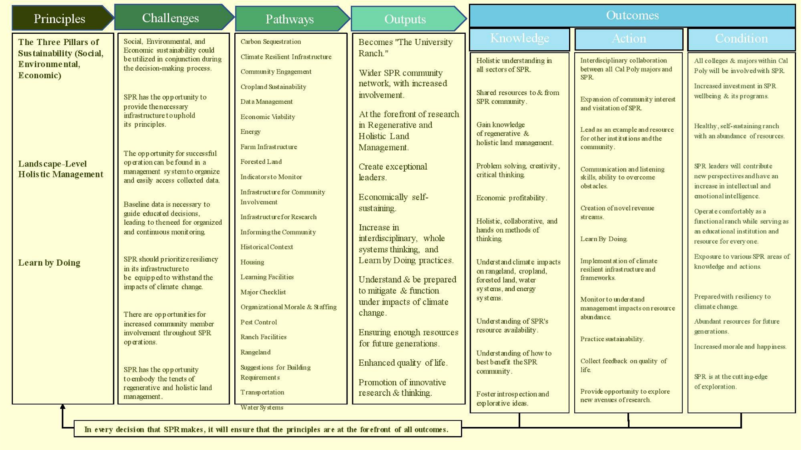
The Logic Model from the Sustainable Management Framework (Forstmann et al., 2023) offers a clear visual representation of how SPR’s principles connect to its long-term outcomes, and it serves as an effective summary of the ranch’s direction moving forward. By linking the Three Pillars of Sustainability, Landscape-Level Holistic Management, and “Learn by Doing” to the challenges SPR faces, the logic model helps guide the ranch’s response to challenges such as climate impacts, post-fire recovery, infrastructure needs, and community engagement (Figure 6). These challenges lead to strategic pathways, including climate-resilient infrastructure development, regenerative agriculture, increased community involvement, and the expansion of research and educational facilities. Through these pathways, SPR generates meaningful outputs such as interdisciplinary learning opportunities, a broader community network, and an enhanced capacity for monitoring and restoration. Ultimately, these outputs translate into long-term outcomes that align with the Satoyama Initiative: improved ecological resilience, enhanced educational access, strengthened community connections, and an operational model that is socially, environmentally, and economically sustainable.
Looking forward, these interconnected efforts position SPR to become a model working landscape that demonstrates how sustainability, education, and community engagement can reinforce one another in practice. The integration of academic programming with the Sustainable Management Framework ensures that teaching and research not only occur at the ranch but also actively strengthen its resilience and management capacity. In this way, SPR’s educational mission becomes inseparable from its sustainability goals: student-led monitoring supports adaptive management, interdisciplinary research enhances understanding of landscape processes, and community partnerships expand the ranch’s social and cultural role within the region.
As SPR continues to rebuild infrastructure and expand educational facilities, the alignment between academic initiatives and sustainability pathways outlined in the Logic Model will be essential. Planned housing, teaching laboratories, and improved field stations will enable the immersive, hands-on learning environments envisioned in the Academic Programming Plan (Chiu, 2025). At the same time, climate-resilient infrastructure, regenerative land practices, and integrated monitoring systems will support long-term ecological health and operational stability. Together, these improvements strengthen SPR’s potential to serve as a site where students and faculty not only learn about sustainability but practice it daily through applied work on a functioning landscape.
Ultimately, Swanton Pacific Ranch exemplifies the values of the Satoyama Initiative by demonstrating that human activity, education, and ecological stewardship can coexist in mutually supportive ways. Through its commitment to whole-systems thinking, interdisciplinary collaboration, and “Learn by Doing,” SPR offers a replicable model for socio-ecological landscapes seeking to integrate environmental stewardship, applied learning, and community engagement. As the ranch continues to evolve, its blend of experiential education and sustainable land management will provide enduring lessons for future generations of environmental leaders, researchers, and community partners.
References
- Chiu, Y. (2025). Swanton Pacific Ranch Academic Programming Plan. Retrieved from San Luis Obispo, CA:
- Forstmann, S., Springer, H., & Chiu, Y. (2023). Sustainable Management Framework for Swanton Pacific Ranch. Retrieved from San Luis Obispo, CA:
- Geospatial Information Authority of Japan, C. U. a. c. o. (2025). Land Cover (GLCNMO) – Global version. Retrieved from https://globalmaps.github.io/glcnmo.html
- Kadoya, T., & Washitani, I. (2011). The Satoyama Index: A biodiversity indicator for agricultural landscapes. Agriculture, Ecosystems & Environment, 140(1-2), 20-26.
- Natori, Y., & Hino, A. (2021). Global identification and mapping of socio-ecological production landscapes with the Satoyama Index. PLoS ONE, 16(8), e0256327.