

Promoting Under-forest Economy Under the Concept of Satoyama Initiative: A Case Study of Mingde Beekeeping Restoration Center in Taiwan
01.04.2026
-
SUBMITTING ORGANIZATION
-
Miaoli County Mingde Community Beekeeping Revitalization Center Association
-
DATE OF SUBMISSION
-
November 2025
-
REGION
-
Asia
-
COUNTRY
-
Chinese Taipei
-
KEYWORDS
-
Understory economy, Beekeeping, Biodiversity, Environmental Education
-
AUTHORS
-
Wen-Dar HSIEH, President, MingDe Beekeeping Restoration Center, Taiwan, China.
Meihui Chen, Professor, National Pingtung University of Science and Technology, Taiwan, China.
Yali Huang, Assistant Professor Rank Research Fellow, National Pingtung University of Science and Technology, Taiwan, China. Corresponding Author.
-
LINKS
Summary Sheet
The summary sheet for this case study is available here.
Background
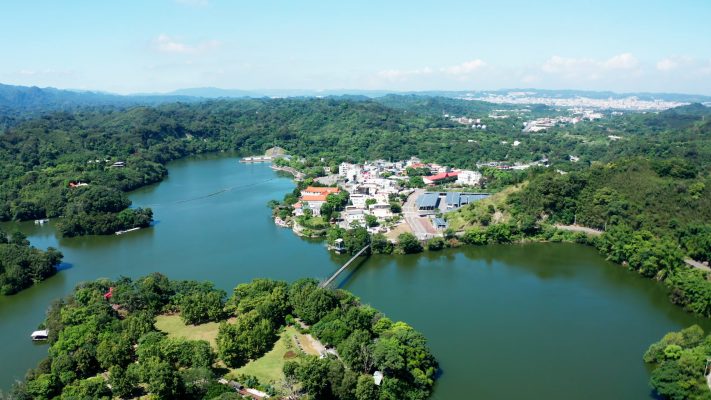
The Mingde Reservoir is an important water resource protection area located in north-central Taiwan. It bears the crucial responsibility of providing both domestic water supply and agricultural irrigation, while also playing a vital role in regulating the local climate and safeguarding the ecological environment. The reservoir is surrounded by dense forests rich in biodiversity, making it a treasured repository of natural resources.
During the early agricultural period, when water was indispensable for irrigation, many residents chose to “live by the water.” The Mingde Community gradually formed around the reservoir because of its convenient access to water. At that time, transportation was not yet well developed, and villages were scattered along the northern and southern shores. Boats served as the primary means of travel, vividly reflecting the daily lives of local people—much like the scenes in the Taiwanese film Loving the Silent Tears 【The Dull-Ice Flower】, where the character “Gu Amin” rows across the water to attend school. Whether for education, farming, or transporting goods, the reservoir was inextricably tied to community life.
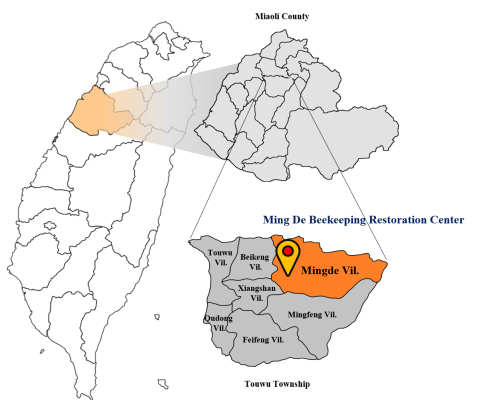
Situated in Touwu Township, Miaoli County, the Mingde Community has long served as a guardian of water resources. The community has actively engaged in protecting the reservoir and its surrounding environment, striving to create a habitat-friendly living space. Through various conservation and greening initiatives, residents not only safeguard water security but also deepen their understanding of the significance and value of local biodiversity. For the community, the reservoir is more than a source of livelihood—it is the foundation of the entire ecosystem and a cornerstone of sustainable development. By fostering a relationship of coexistence and mutual prosperity between people and the natural environment, Mingde Community exemplifies a model of harmonious coexistence with nature.
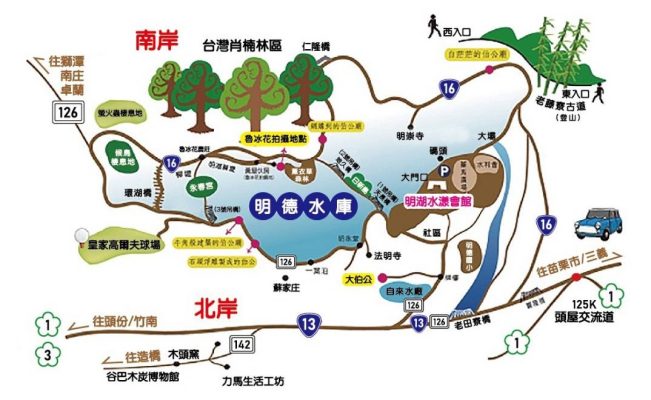
Map of Mingde Community (https://g.co/kgs/VhYVnrt)
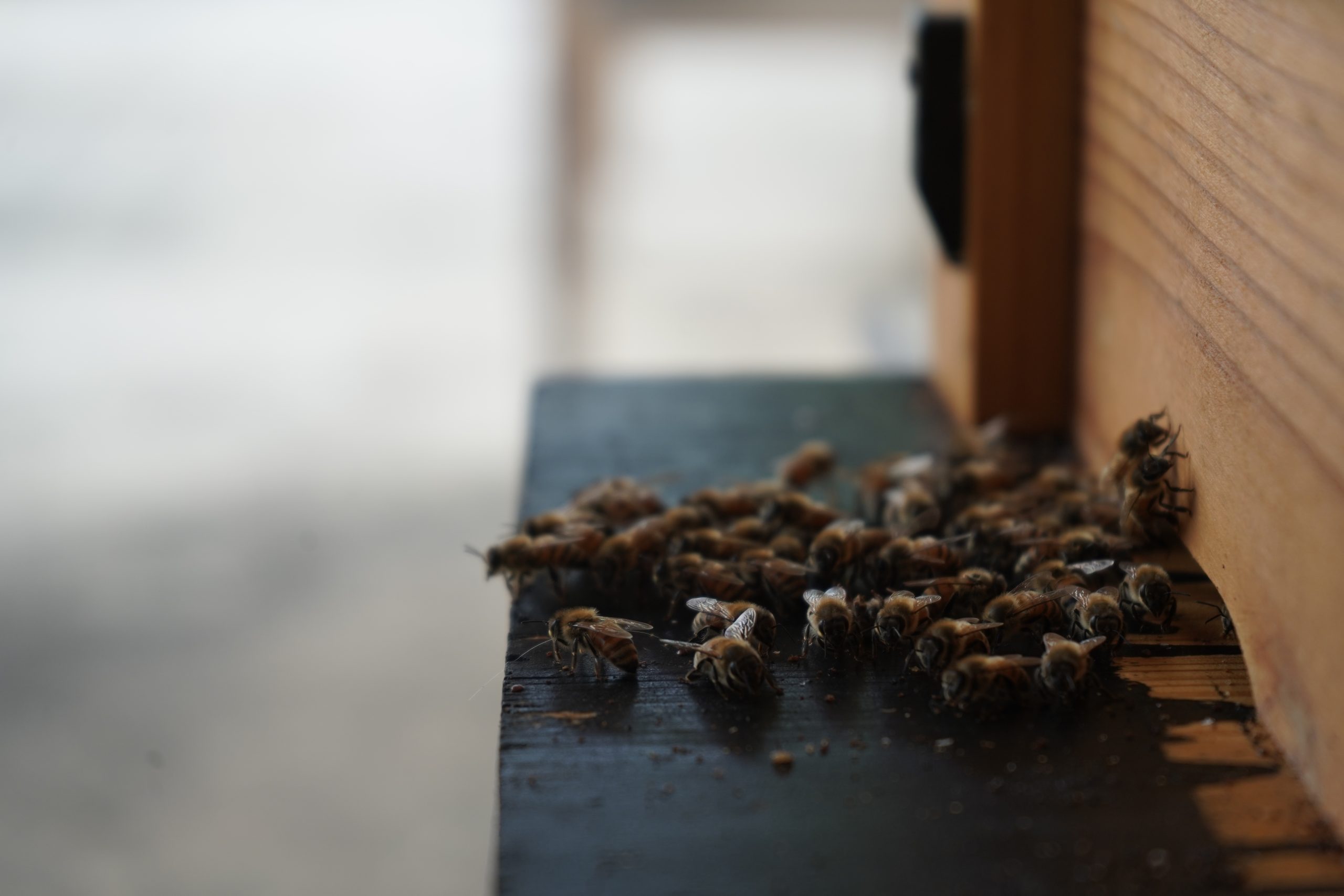
Since 2017, the Mingde Community has been promoting community-based beekeeping. Initially launched as a way to cultivate shared interests and goals among the elderly, the program has encouraged interaction through the care of bee colonies, while also providing light physical activity to benefits both physical and mental health. As participation grew year by year, bees gradually became a common topic of conversation among residents, strengthening community bonds. To date, the community has trained over 80 volunteers and established 500 beehives. With creative initiatives, the community even placed hives on the rooftop of the activity center, transforming the site into a “Community Bee Ecology Interpretation Park”—an educational and tourism facility that vividly presents the life cycle of bees and highlights the spirit of sustainability and community stewardship.
To create a bee-friendly environment, the Mingde Community has actively advanced greening initiatives, planting nectar-producing plants to enrich floral resources. Concurrently, residents are encouraged to reduce or eliminate pesticide use in farming practices, thereby minimizing harm and disturbance to bees. Beyond beekeeping itself, the community harvests honey, pollen, and other bee products, and has developed its own brand to market these goods. These efforts not only foster community self-sufficiency but also generate local economic benefits.
Furthermore, the Mingde Community actively shares its beekeeping knowledge and techniques with other interested communities, extending the positive impact of eco-friendly practices. Through guided tours and educational programs, the community promotes environmental education among students and the wider public, raising awareness of ecological conservation. These efforts embody the principles of sustainable development and civic participation, positioning the Mingde Community as a model for ecological stewardship and grassroots innovation.
2. Social and Ecological Profile of the Mingde Community
The Mingde Community encompasses the area surrounding the Mingde Reservoir, consisting of 390 households with a total population of 927. Its economic structure is centered on primary industries such as agriculture and beekeeping; secondary industries including the processing of honey-based handmade soap and traditional Hakka fermented tofu; and tertiary industries focused on tourism. Transportation mainly relies on surrounding road networks that connect the community to nearby areas.
Encircled by mountains with rich forest cover, the region nurtures a wide variety of wildlife and insects. Notable species include the Reeves’s muntjac (Muntiacus reevesi), the Formosan pangolin (Manis pentadactyla pentadactyla) and the Taiwan blue magpie (Urocissa caerulea). The community is also home to locally endangered species such as the yellow-margined box turtle (Cuora flavomarginata) and Shimada’s bush clover (Lespedeza daurica var. shimadae), underscoring its ecological significance.
In 2004, the Mingde Reservoir and its surrounding areas were officially designated as a Water Quality and Quantity Protection Zone, entrusted with the multiple functions of water resource conservation and environmental sustainability. The administrative management and resource allocation of the area are jointly overseen by the Miaoli County Government, the Water Resources Agency of the Ministry of Economic Affairs, the Environmental Protection Administration, and the Irrigation Agency. Through the enactment of local self-governing regulations and the implementation of watershed conservation programs, a concrete and effective management system has been established, encompassing areas from water quality monitoring and irrigation management to the maintenance and operation of agricultural water infrastructure. These measures not only ensure stable water quality and efficient irrigation systems but also provide a solid foundation for ecological integrity and agricultural development.
In recent years, with the support of local governments and civil society, the Mingde Community has actively advanced environmental education, demonstrating the power of community participation and self-governance within a water source protection zone. Supported by agencies such as the Miaoli County Environmental Protection Bureau, the Forestry and Nature Conservation Agency of the Ministry of Agriculture, and the Rotary Club of Taipei Fumen, the community—through the Mingde Community Development Association, the Mingde Village Office, and local schools—has built a close collaborative network to promote a series of environmental initiatives that integrate ecological conservation, cultural heritage, and educational value.
Beyond habitat conservation and environmental monitoring, these initiatives deepen residents’ understanding of and emotional connection to natural resources, thereby gradually shaping a locally distinctive model of environmental education. In practicing the principle of ecological coexistence, the community also breathes new vitality into local culture, showcasing the spirit of sustainability and harmony between people and the environment. Through broad-based collaboration and grassroots action, the Mingde Community is steadily moving toward the vision of sustainable management, positioning itself as a model community within Taiwan’s water source protection zones.
The community, in collaboration with partner organizations, has adopted a point–line–plane planning framework to promote nature and ecological environmental education in the Mingde Community:
- Short-term Goal – “Point”
Centered on the Low-Carbon and Biodiversity Ecological Education Community Project, this stage focuses on fostering enthusiasm for local environmental education by enhancing ecological knowledge and building shared community values. With bees as the core theme, the Mingde Community guides local students and residents to learn about bees and their ecology, inspiring collective efforts to protect bee habitats and support community-based beekeeping. Through beekeeping, the community also stimulates the development of under-forest economies.
- Mid-term Goal – “Line”
Under the theme “Water of the Mingde, Moving Forward”, this stage connects the resources of the Mingde Reservoir and promotes collaborative planning with neighboring communities. The goal is to expand ecological and environmental education, advocate low-carbon practices, and progressively implement them across the region.
- Long-term Goal – “Plane”
Guided by the theme “Coexistence and Prosperity, Sustainable Mingde”, this stage seeks to consolidate community consensus and sustainable management strategies. It aims to further develop the ecological education industry, create added value, and transform the Mingde Community into a demonstration community of net-zero and intelligent symbiosis, serving as a model for other communities to learn from.
-
- Miaoli County Mingde Community Beekeeping Revitalization Center Association
-
- Miaoli County Mingde Community Beekeeping Revitalization Center Association
Vision and Objectives
In its early stage, the Mingde Community introduced community beekeeping with the aim of cultivating shared interests and life goals among the elderly. Caring for bee colonies not only enhanced their physical and mental well-being but also fostered social participation. As more residents joined, beekeeping gradually became a common thread of daily life and emotional connection within the community, serving as a starting point for broader eco-friendly initiatives. Building upon beekeeping as its core, the Mingde Community has progressively promoted pesticide-free farming and environmental greening, outlining an action pathway centered on ecological conservation.
The community’s production of natural honey, pollen, royal jelly, and related bee products has become both a foundation for self-sufficiency and a source of economic benefits and employment opportunities, thereby embodying the goal of advancing industry and ecology in tandem. More importantly, by integrating beekeeping with its surrounding environment, the community has deepened awareness of biodiversity values, fostered the creation and maintenance of wildlife-friendly habitats, and woven together a holistic point–line–plane ecological network of environmental stewardship.
Looking ahead, the Mingde Community seeks to expand its influence by collaborating and sharing experiences with neighboring communities, encouraging more partners to join in the pursuit of eco-friendly practices and amplifying the vision of environmental sustainability. The community also aspires to advance toward the vision of a “Low-Carbon and Biodiversity Ecological Education Community,” continually strengthening environmental education, deepening resident participation, and shaping a sustainable model that integrates production, ecology, and daily life. In doing so, the Mingde Community strives to contribute to both local revitalization and the practice of an ecological civilization.
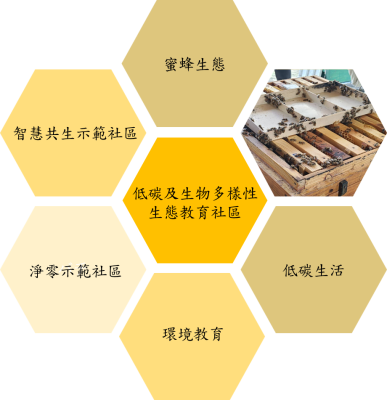
- Bee Ecology:
The Mingde Community is dedicated to creating a bee-friendly habitat that supports biodiversity while revitalizing the local economy through the beekeeping industry. The community promotes wild bee restoration projects, develops under-forest economies, and actively trains residents interested in beekeeping to encourage broader participation. To further enhance habitat quality, greening initiatives are carried out, and farmers are encouraged to adopt pesticide-free farming practices, cultivating an agricultural environment that is friendly to bees and aligned with the principle of human–nature coexistence. - Low-Carbon Living:
The community actively promotes a low-carbon lifestyle through measures such as conserving electricity, reducing carbon footprints, and encouraging the use of low-carbon vehicles and green transportation. These practices strengthen residents’ awareness of energy conservation and carbon reduction, while effectively lowering emissions and establishing the foundation for sustainable development. - Environmental Education:
Through diverse educational activities, the Mingde Community enhances environmental awareness among residents and students, cultivating a sense of ethics and responsibility toward nature. Each year, the community organizes around 100 environmental education events, ranging from knowledge-sharing to hands-on practices, to comprehensively promote eco-friendly values. By integrating parenting education with environmental education, family-oriented activities—such as parent-child challenges—further strengthen household participation, deepen intergenerational learning and interaction, and raise collective environmental awareness. - Net-Zero Demonstration Community:
The Mingde Community is advancing toward the goal of net-zero emissions, striving to become a regional “Net-Zero Community” model. By promoting the United Nations Sustainable Development Goals (SDGs) and implementing carbon management policies, the net-zero concept is extended to schools, households, and daily community life, offering practical experience for other communities to learn from and emulate. - Smart Symbiosis Demonstration Community:
To improve overall quality of life, the community is actively introducing smart technologies to build a “Smart Symbiosis Community.” This includes promoting smart agriculture to enhance both productivity and sustainability in farming, as well as adopting smart management systems to optimize community operations and foster intelligent community development.
Development Outcomes
In its early stages, the Mingde Community centered its efforts on beekeeping as its core initiative. Over time, these actions expanded to encompass environmental conservation and environmental education outreach, actively promoting the concept of eco-friendly living to both residents and the wider public. The community has continuously advanced the integration of local production, ecology, and daily life, thereby establishing a sustainable and circular development model.
The Mingde Community has currently demonstrated four major development outcomes:
- Bee Ecology: Beehive-Themed Interpretation Site and Beekeeping Guidance
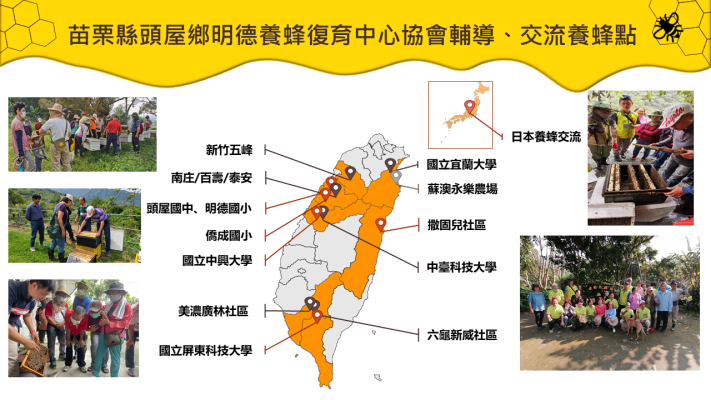
In addition to developing the local beekeeping industry, the Mingde Community is actively engaged in bee ecology education and has established an interpretation site designed with beehive imagery. Currently, the community has 16 retired beekeepers with 2 to 6 years of practical beekeeping experience, who serve as guides and instructors for related courses. Their role extends beyond community-based interpretation and education; through a concentric-circle model of outreach, they support multiple communities across Taiwan in beekeeping capacity building and the promotion of eco-friendly practices, positioning Mingde as an important hub for inter-community exchange.
Below is a geographic map showing the beekeeping sites guided by the Mingde Community, along with introductions of each outreach location:
2. Mingde Yuxin Farming Method (Photosynthetic Bacteria (Rhodopseudomonas) + Bioactive Probiotics = Non-toxic Community)
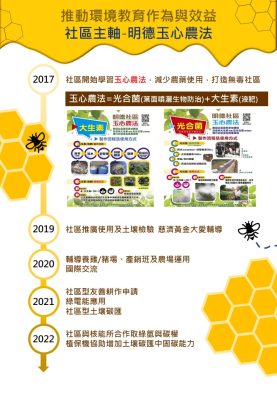
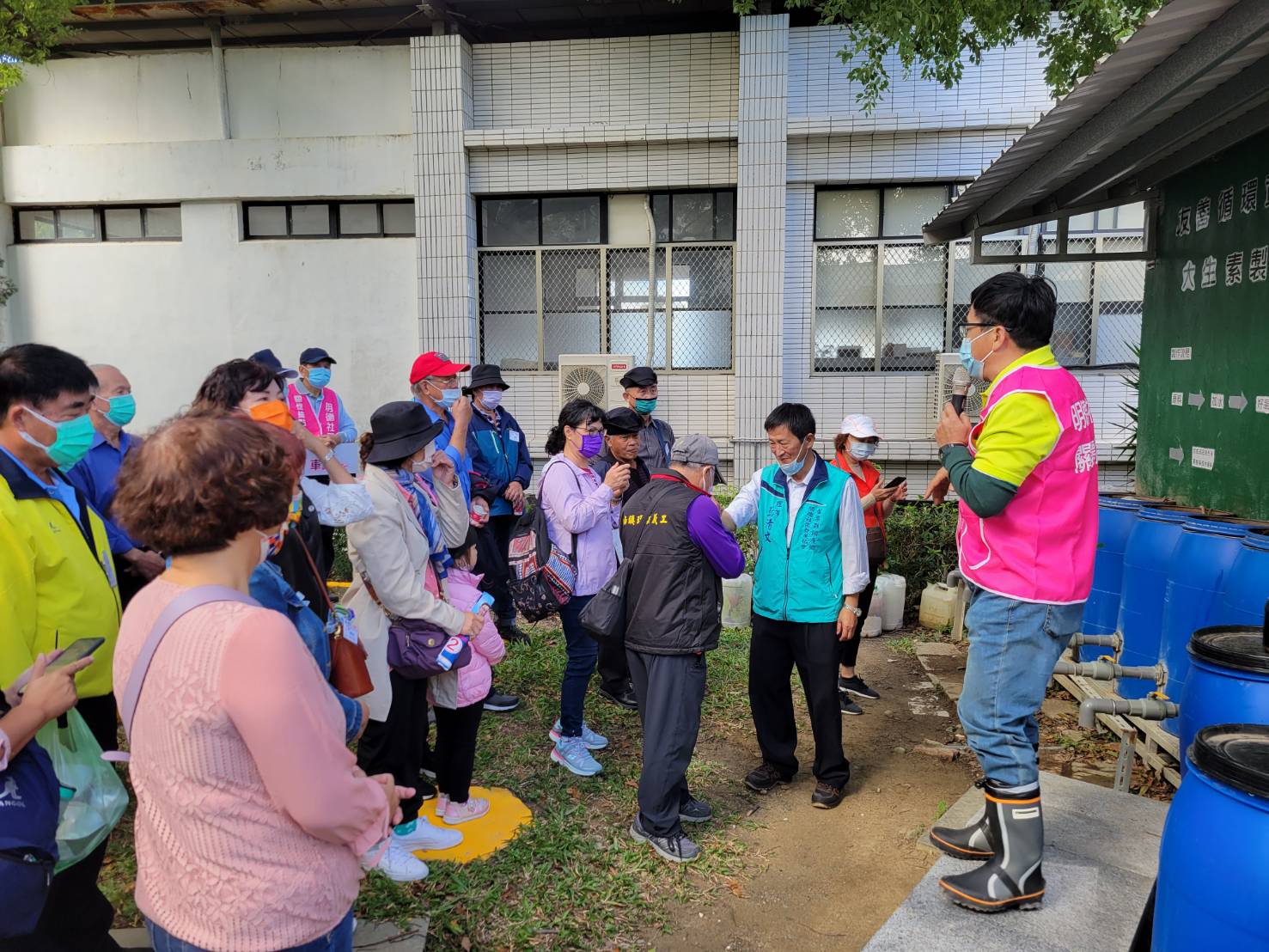
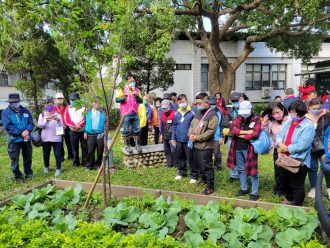
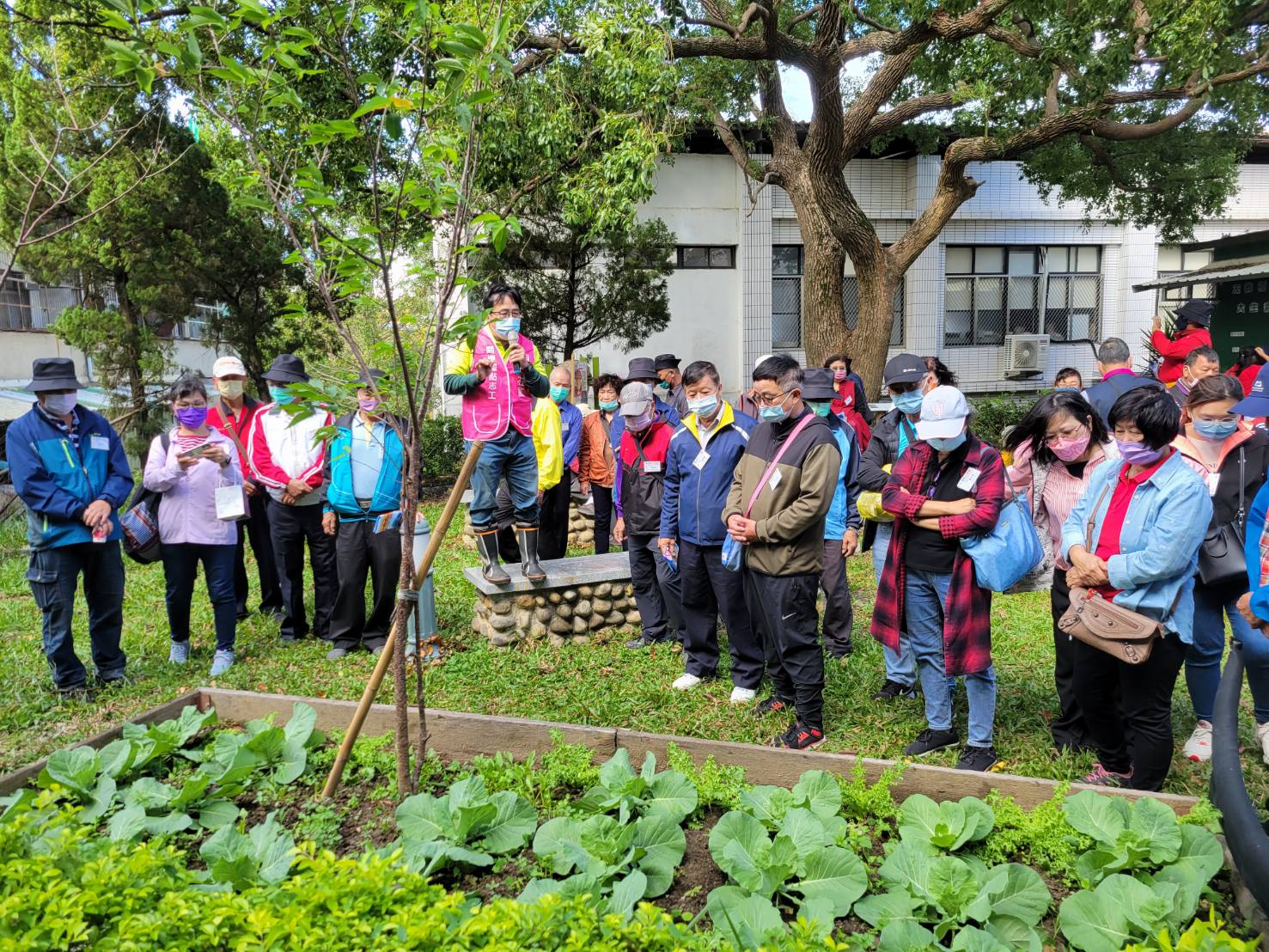
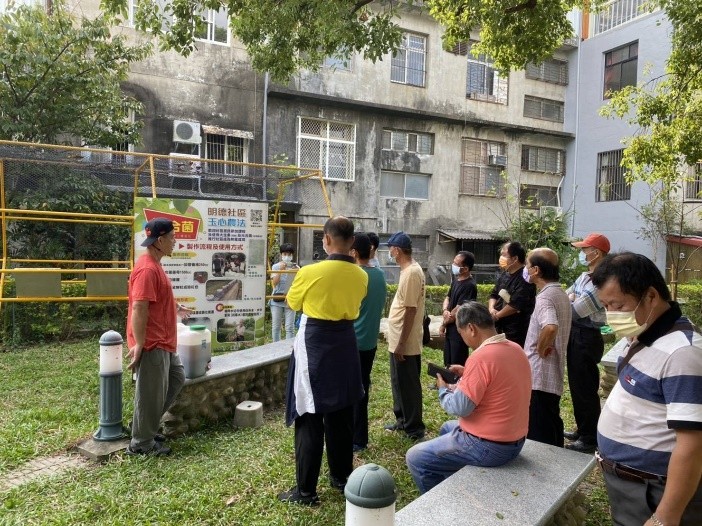
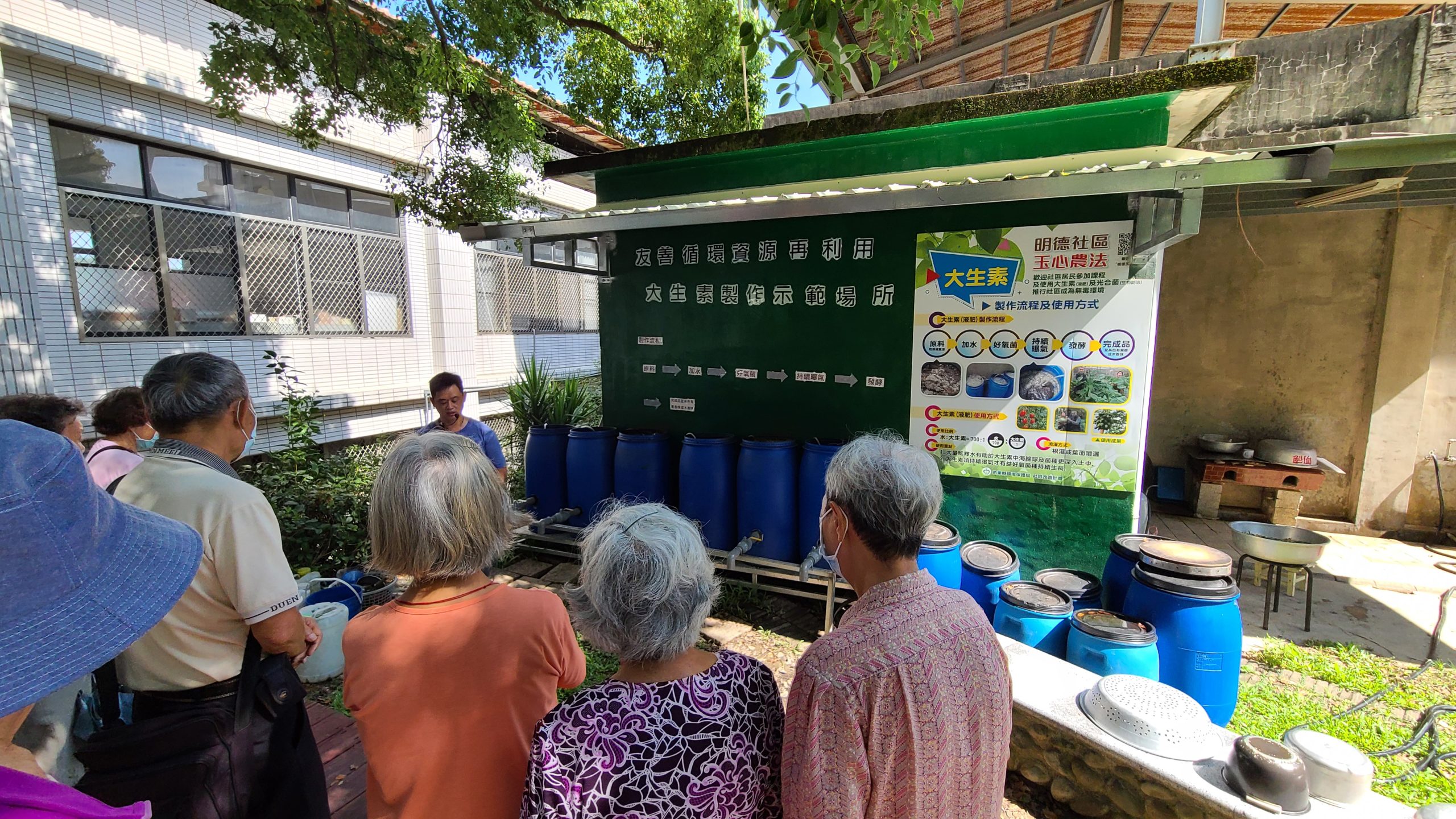
Since 2017, the community has fully promoted and practiced the “Mingde Yuxin Farming Method,” which relies on photosynthetic bacteria and bioactive probiotics as its core for achieve non-toxic agriculture. After seven years of dedicated efforts, more than 95% of the community gardens and the food and farming education plots at Mingde Elementary School now adopt this method. A physical demonstration site has been established within the community, featuring a comprehensive guided tour system and a team of over 10 trained interpreters. In recent years, the community has also collaborated with the Taiwan Buddhist Tzu-Chi Foundation, the Industrial Technology Research Institute (ITRI), and the National Atomic Research Institute (NARI) to extend the application of bioactive probiotics beyond agriculture—into environmental sanitation, microbial power generation, green hydrogen, and carbon sequestration. The results of these research initiatives are showcased within the community, further enriching the dimensions of environmental education and broadening learning resources available to residents and visitors alike.
-
- Miaoli County Mingde Community Beekeeping Revitalization Center Association
-
- Miaoli County Mingde Community Beekeeping Revitalization Center Association
3. Community Forestry Center Network Hub
Since 2018, the Mingde Community has participated in the Community Forestry Program under the Hsinchu Branch of the Forestry and Nature Conservation Agency, Ministry of Agriculture. In collaboration with the Community Forestry Center at National Pingtung University of Science and Technology, it has become one of the network hubs within Taiwan’s Community Forestry Center system.
The community focuses on forest beekeeping, regularly hosting the “Miaoli Touwu Mingde Community Forest Beekeeping Course,” which attracts participants from communities engaged in the Community Forestry Program across Taiwan. Recognizing its contributions, the Community Forestry Center has positioned Mingde as a primary learning base for forest beekeeping.
Furthermore, the Mingde Community actively forges partnerships with local enterprises, neighboring communities, and schools, thereby promoting broader interaction with local society. By integrating resources from government, academia, and industry, the community supports mutual growth and strengthens the capacity of community forestry initiatives.
4. Establishment of a Native Butterfly-Attracting Plant Wall
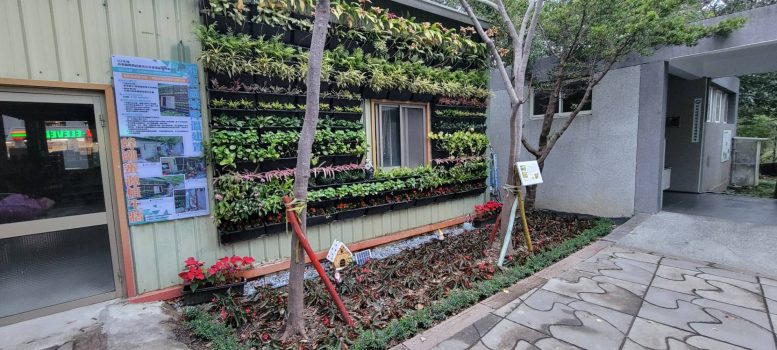
As part of the 2023 Low-Carbon Sustainable Homeland “Silver Village Certification” Program, the Mingde Community focused on enhancing biodiversity by creating a native butterfly-attracting plant wall. The wall incorporates native plant species known to attract butterflies, thereby providing habitats and foraging resources for butterflies and various insects. This site has become an important ecological observation point within the community.
To complement this initiative, the community designed specialized ecological courses. Professional instructors introduce participants to insect and butterfly species, including identification techniques, while the digital platform iNaturalist is utilized for species surveys and long-term monitoring. These efforts strengthen residents’ understanding of butterflies and insects.
In addition, in conjunction with the Forestry and Nature Conservation Agency’s Community Afforestation and Ecological Corridor Promotion Project, the community developed the Guidebook on Bees, Native Ecology, and Ecological Corridors 2.0. This resource enables participants to quickly learn about local species and ecological characteristics, thereby expanding both the depth and breadth of ecological education and outreach.
Conclusion
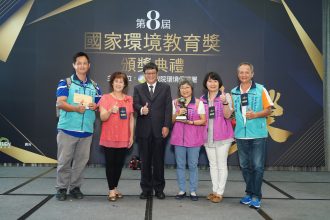
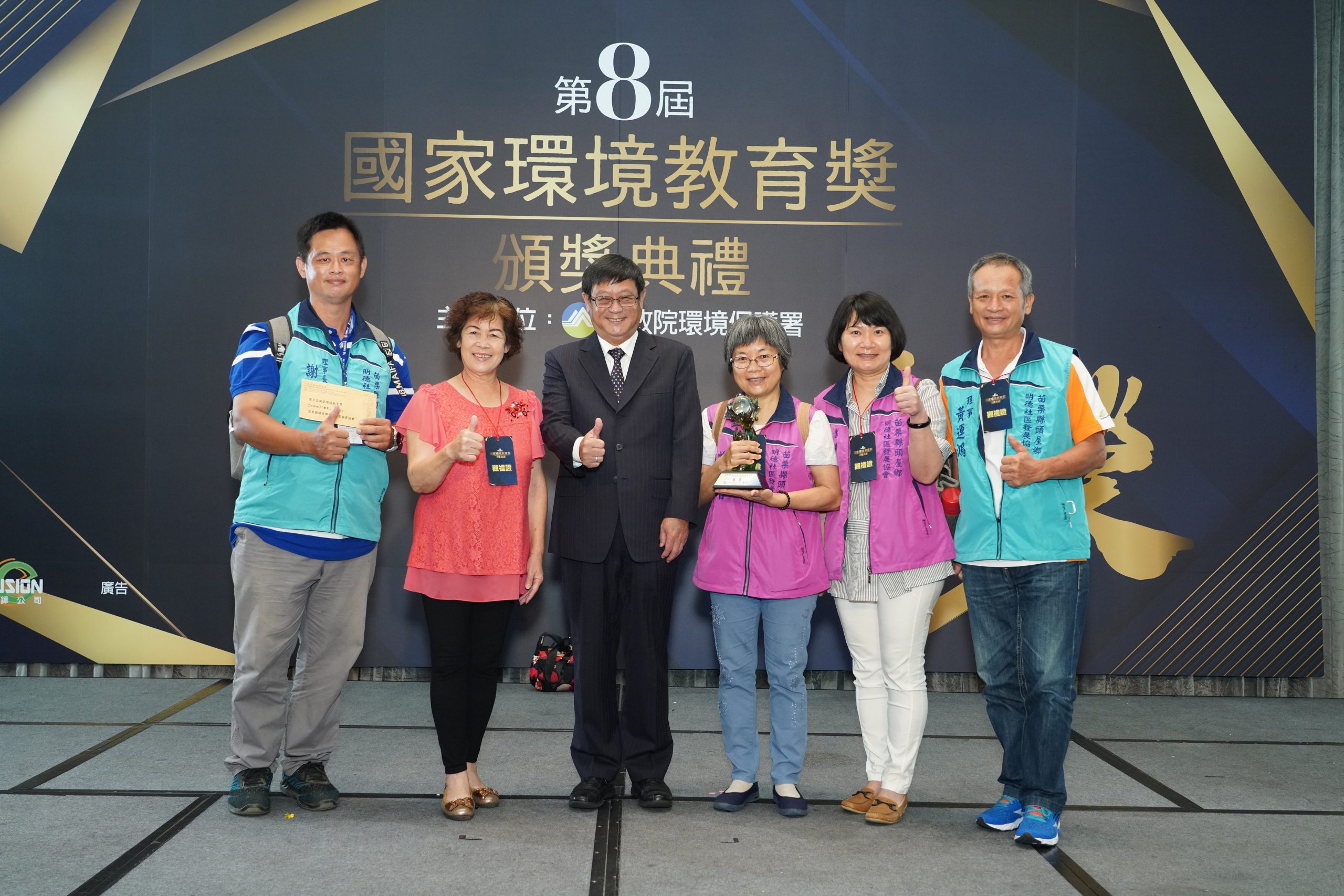
The Mingde Community was awarded the Excellence Award in the Community Category at the 8th National Environmental Education Awards, recognizing not only its achievements in environmental education and ecological conservation, but also its commitment to fostering a sustainable vision that integrates eco-friendly practices, education, and local industries.
Starting with beekeeping as its foundation, the community has actively cultivated a bee-friendly ecological environment, promoted environmental education on bee ecology and wild bee restoration, and gradually connected under-forest economies, non-toxic farming, and environmental education to create a sustainable model of coexistence between humans and nature.
With over 100 environmental education activities organized annually, the Mingde Community promotes eco-friendly concepts while integrating parental and environmental education. Through family-oriented interactive activities, it strengthens household participation, deepens parent-child learning and interaction, and enhances environmental awareness.
To further strengthen the effectiveness of its educational efforts, the community has established the “Little Academy” as a frontline hub for environmental education. Using a “concentric-circle model” (a ripple effect approach that radiates outward from the community), the Mingde Community extends its influence outward, expanding the reach and social impact of its environmental education initiatives.
-
- Miaoli County Mingde Community Beekeeping Revitalization Center Association
-
- Miaoli County Mingde Community Beekeeping Revitalization Center Association
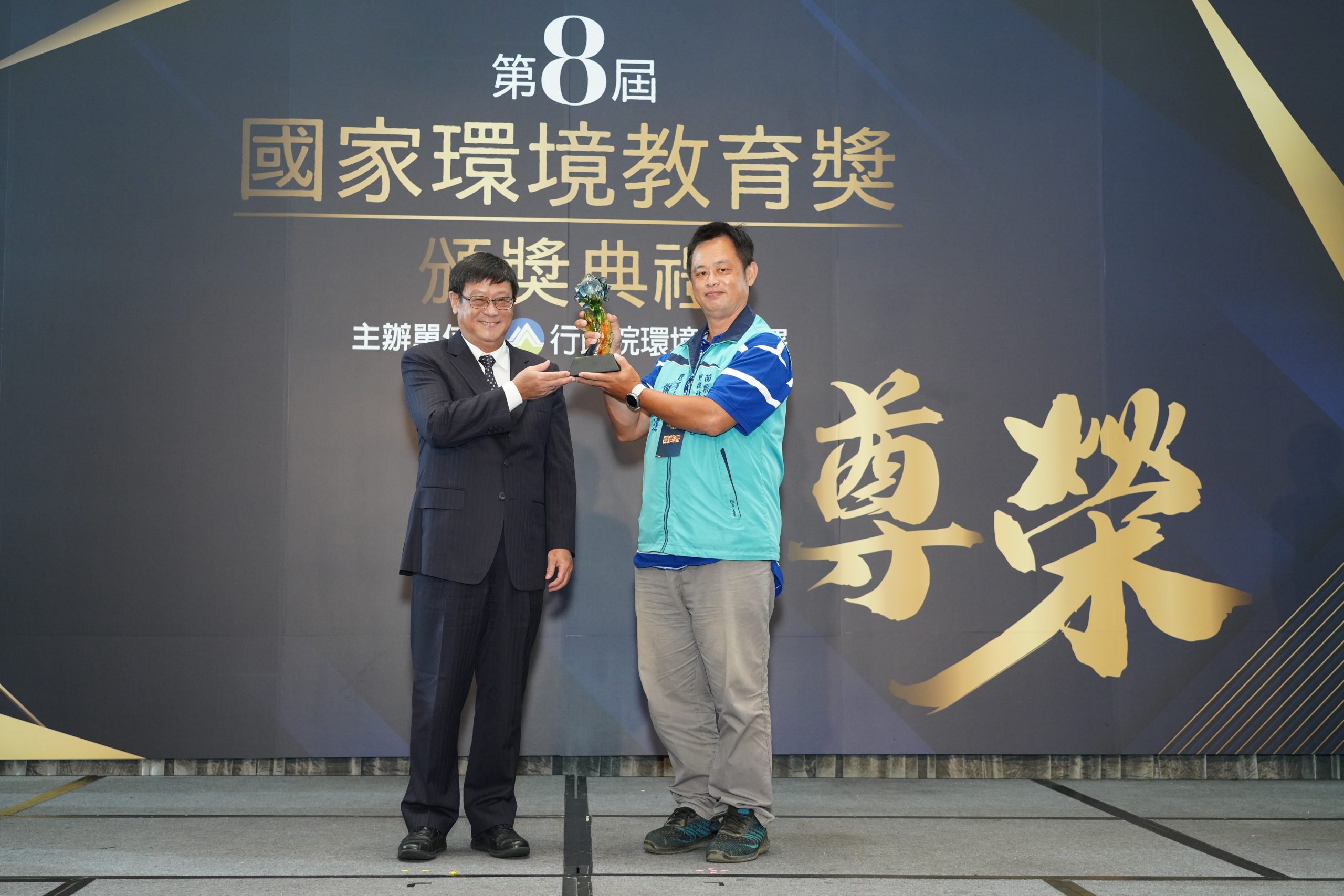
The Mingde Community Development Association in Touwei Township, Miaoli County, was indeed recognized for their outstanding commitment to sustainability. Receiving the Excellence Award in the Community Category at the 8th National Environmental Education Awards is quite the honor.
- Professional Environmental Education Instructors and Division of Roles
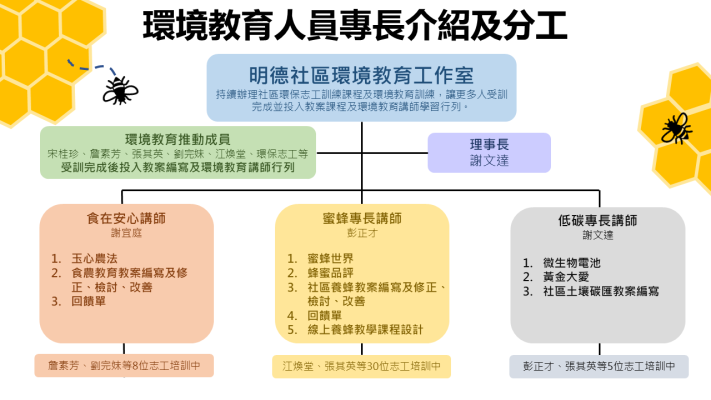
The community continues to cultivate environmental education professionals by regularly organizing training programs for volunteers and instructors, forming an education team that covers areas such as “Food Safety and Trust in Local Produce,” “Bee Ecology,” and “Low-Carbon Living.” Through long-term capacity building, the Mingde Community has gradually developed local talents equipped with expertise in satoyama management, ecological green network construction, and biodiversity knowledge.
2. Ecological Environmental Education Curriculum and Tour Planning
The community has currently developed six sets of lesson plans—both school-age and adult versions—covering topics such as the “Mingde Yuxin Farming Method,” “World of Bees,” and “Honey Tasting.” An additional four sets of lesson plans are planned for future development. Lesson content is continuously optimized through on-site trial teaching.
Aligned with the community’s local characteristics, it also designs in-depth guided ecological tours that integrate satoyama ecosystems and biodiversity learning, creating an engaging model of environmental education tourism.
3. Environmentally Featured Sites
- Bee Ecology / Beehive-Themed Interpretation Site
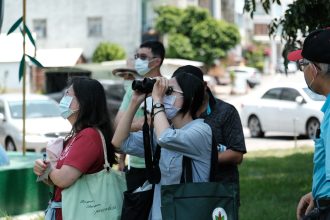
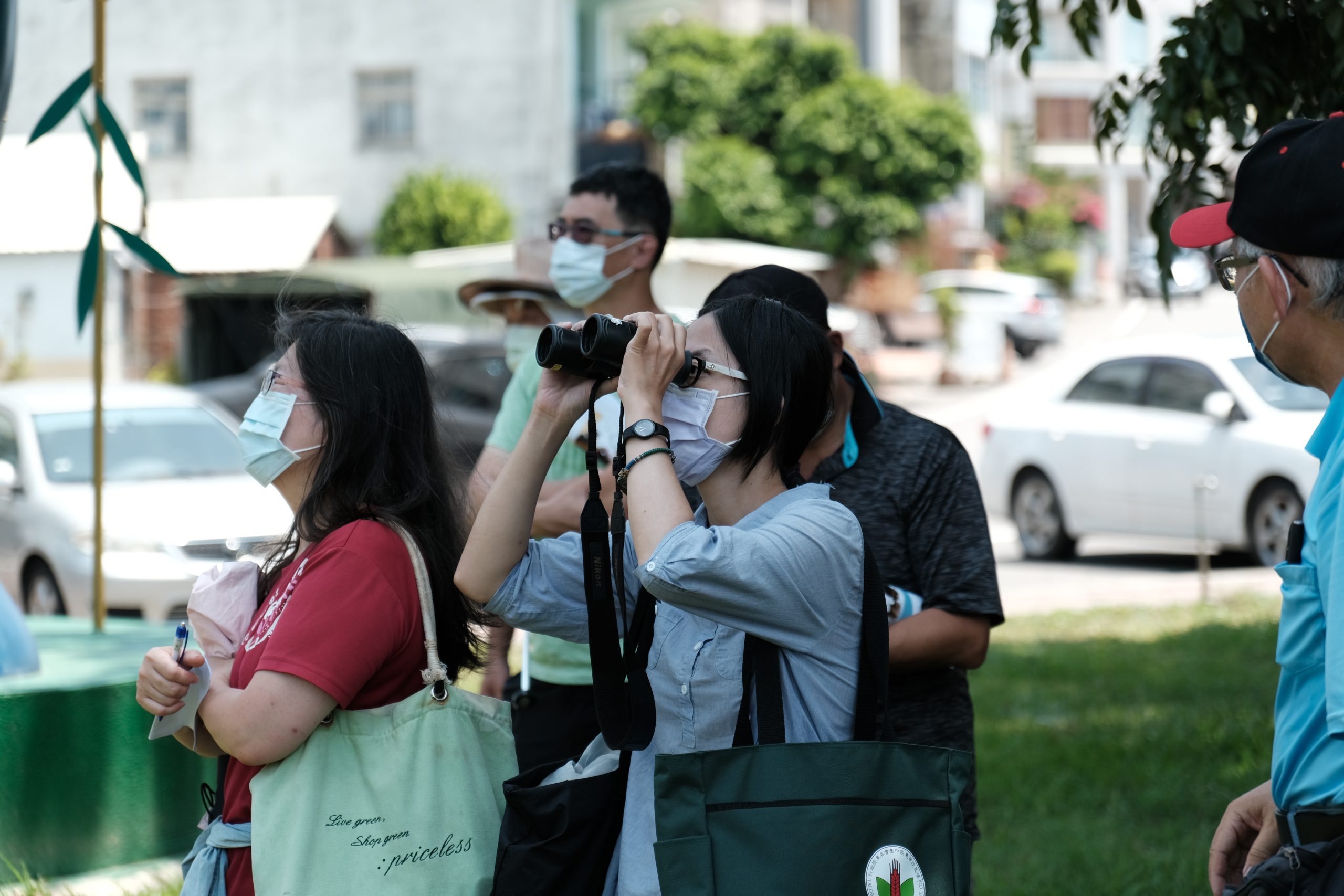
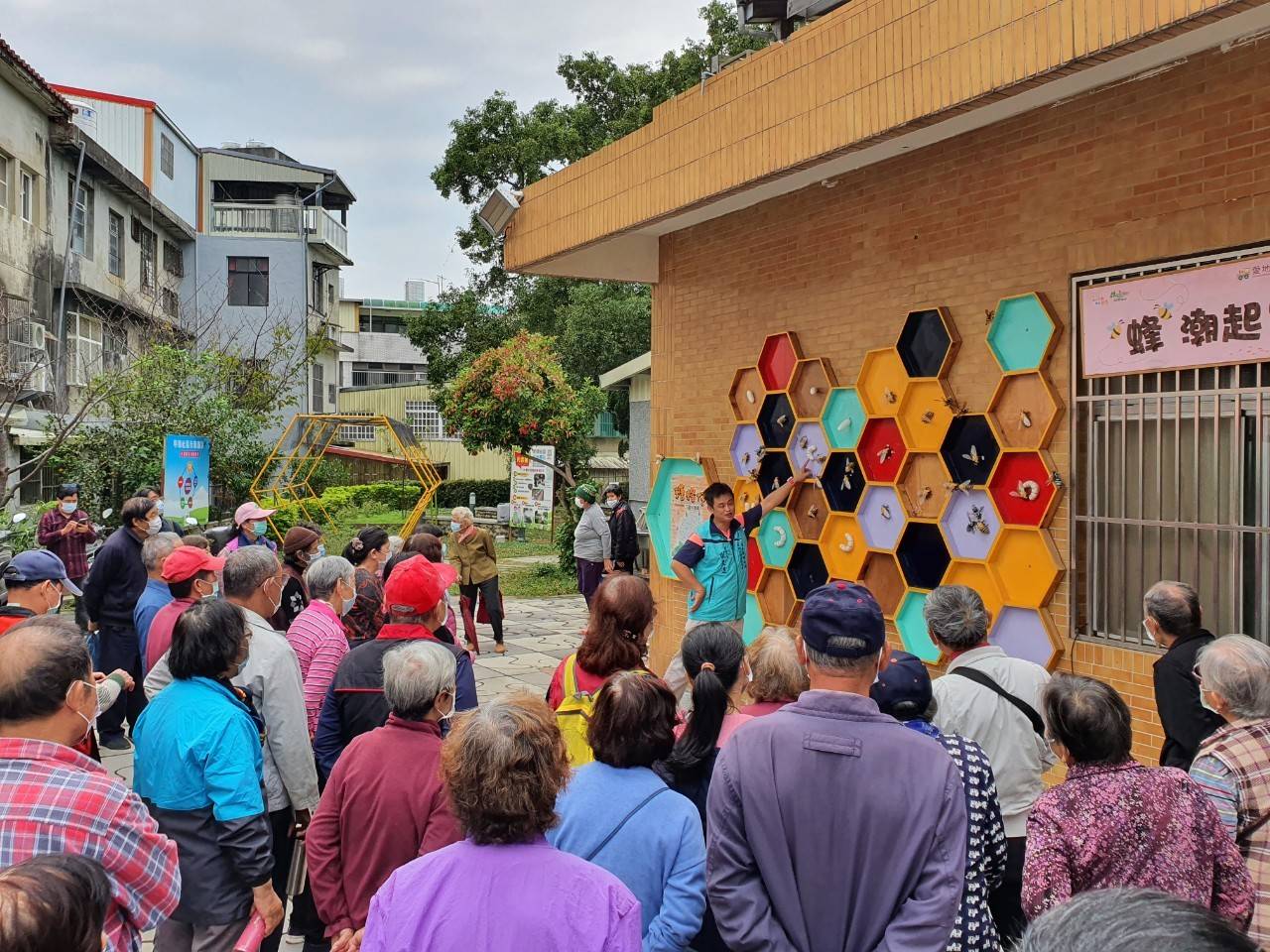
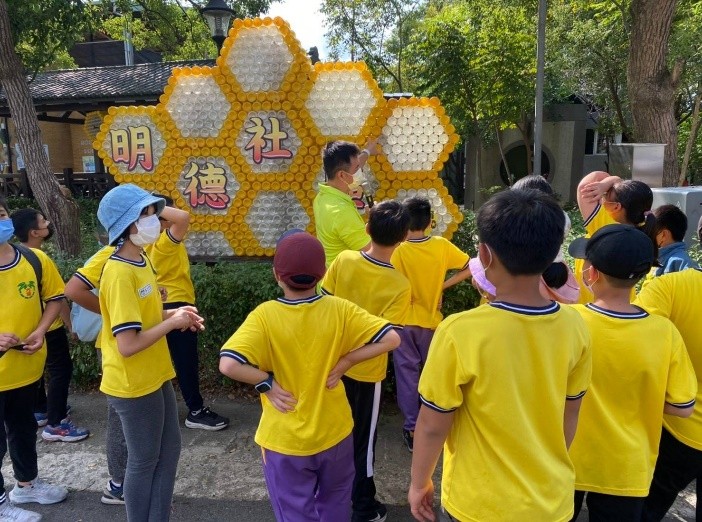
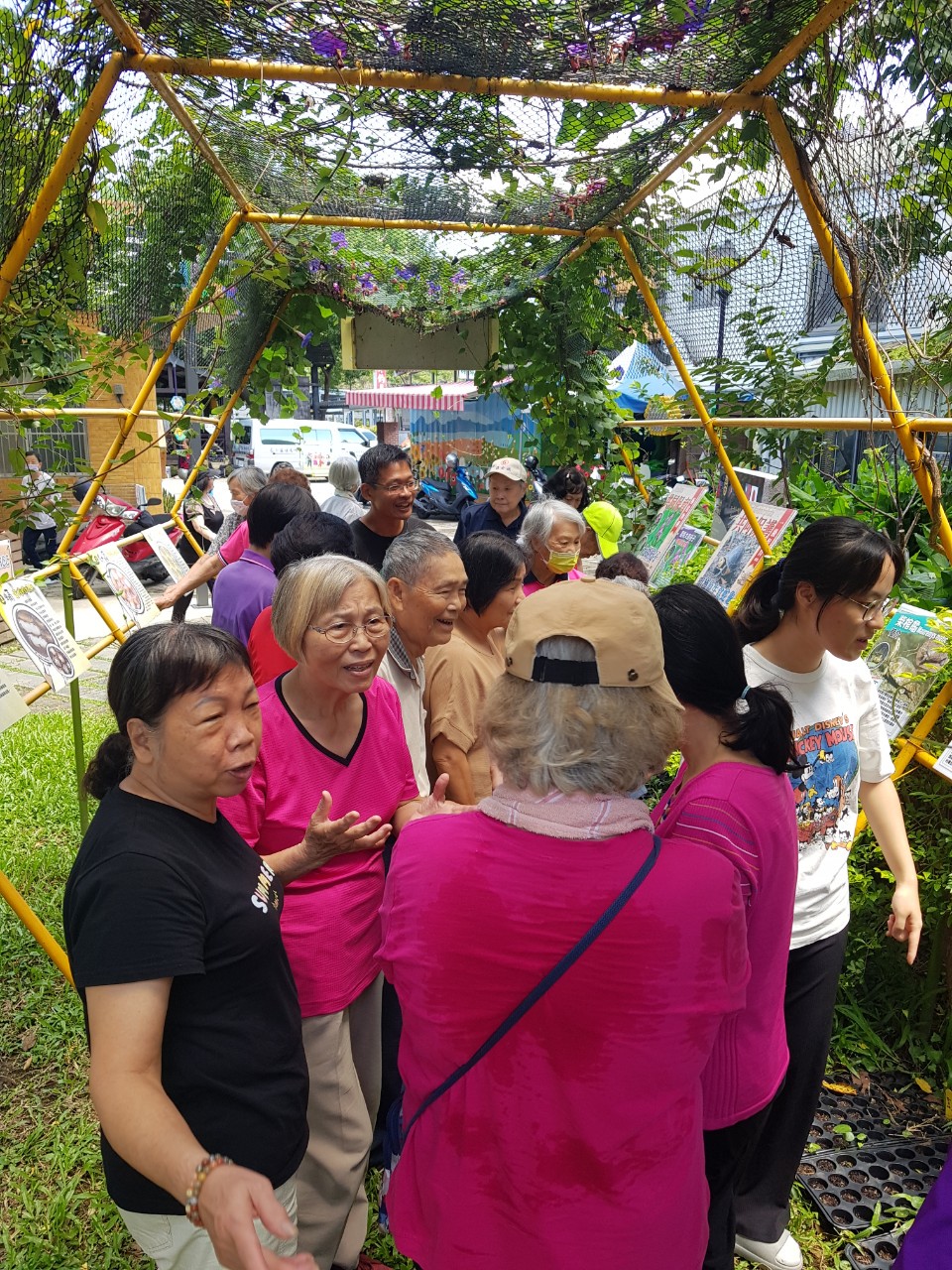
Within the Mingde Community, there is a dedicated bee ecology and beehive-themed interpretation site. Currently, 16 retired beekeepers with 2 to 6 years of practical experience serve as tour guides and instructors, leading visitors to explore the ecology of bees and the under-forest economy. This initiative enhances public understanding of ecological conservation and fosters deeper appreciation for local biodiversity.
-
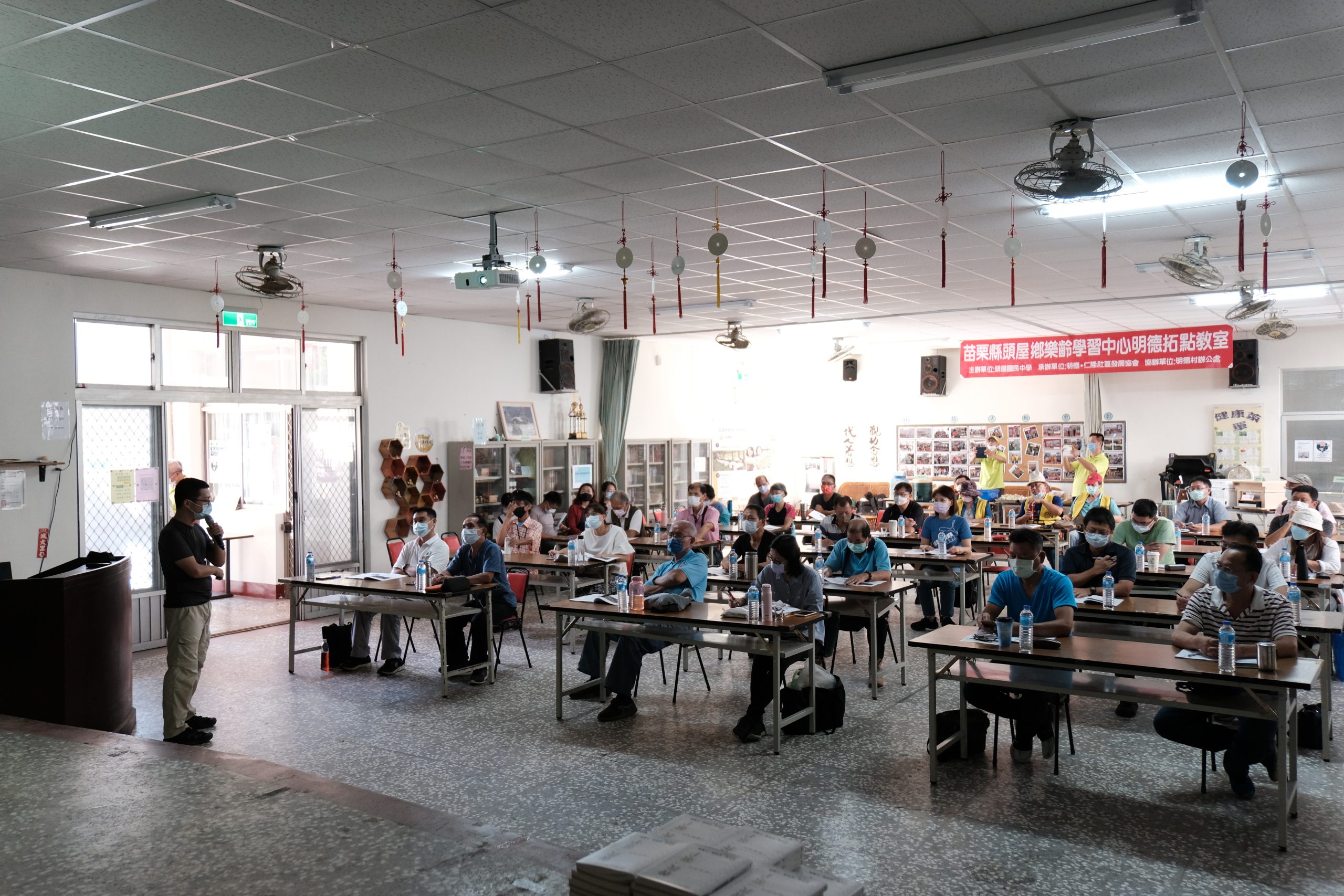
- Multi-Purpose Classroom (Community Activity Center)
-
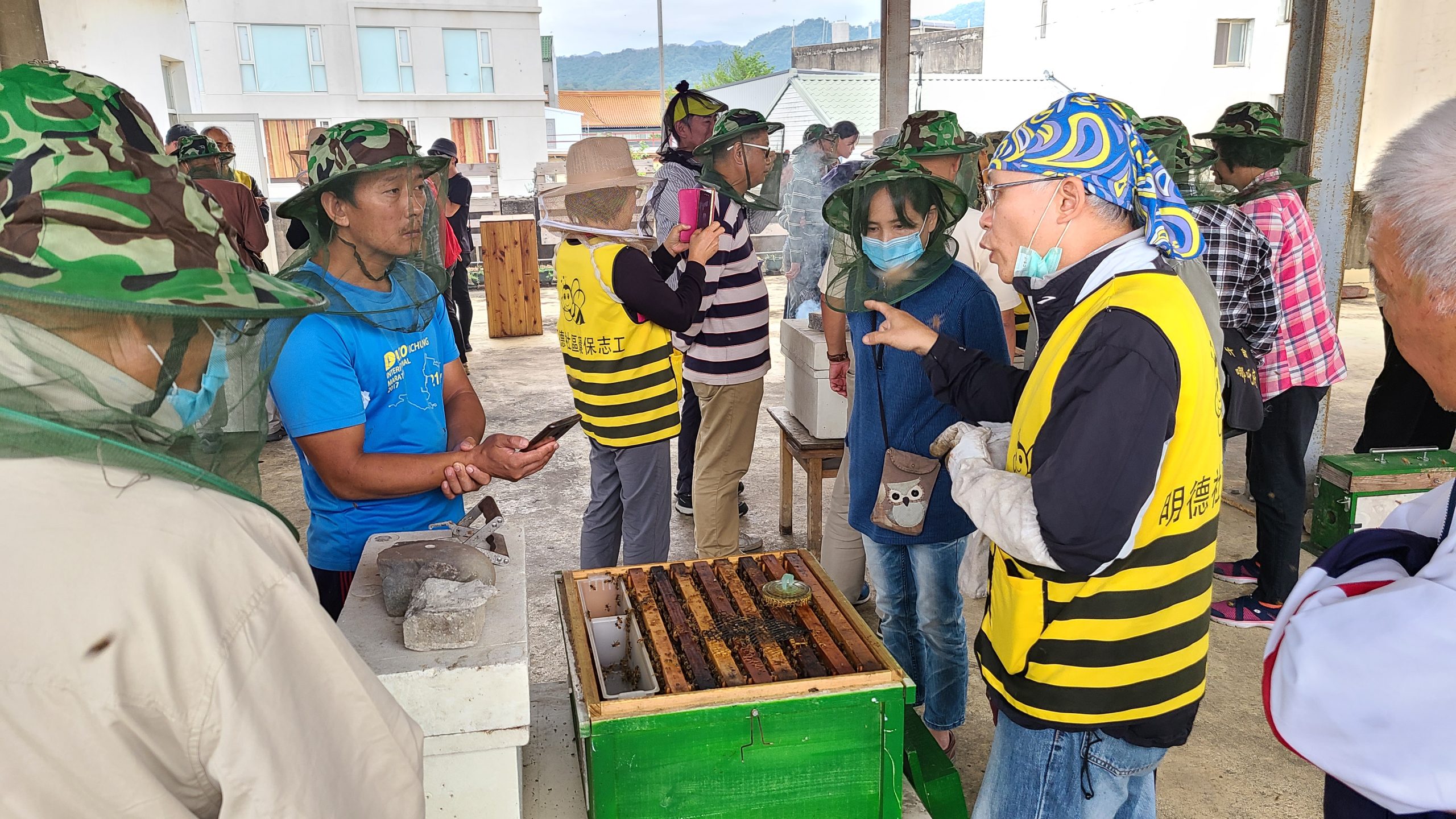
- Apiary Area
-
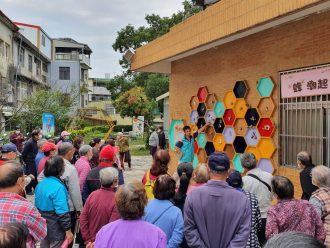
- Beehive-Inspired Community Design (1)
-
- Beehive-Inspired Community Design (2)
-
- Beehive Tunnel and Introduction to Bee Life Cycle
-
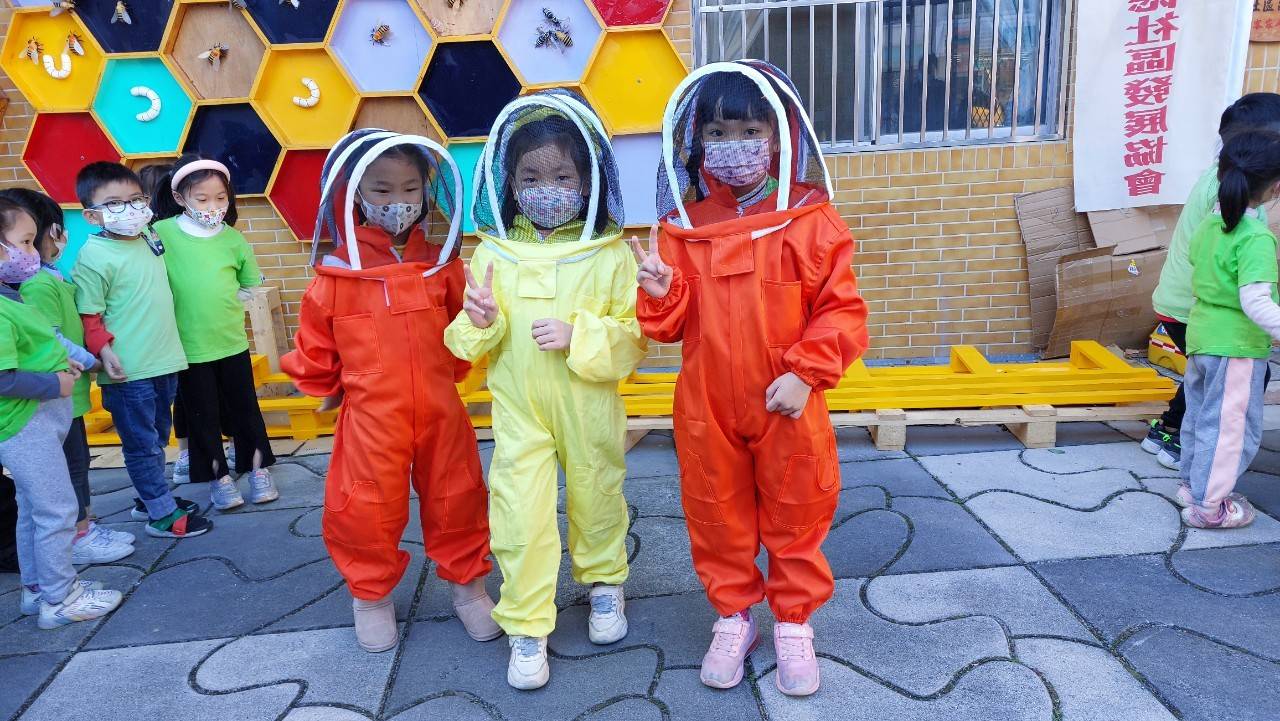
- Interactive Experience Wearing Adorable Beekeeping Suits
B. Mingde Yuxin Farming Method (photosynthetic bacteria (Rhodopseudomonas)+bioactive probiotics=Non-toxic Community)
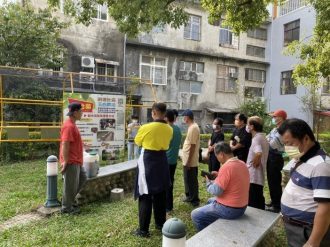
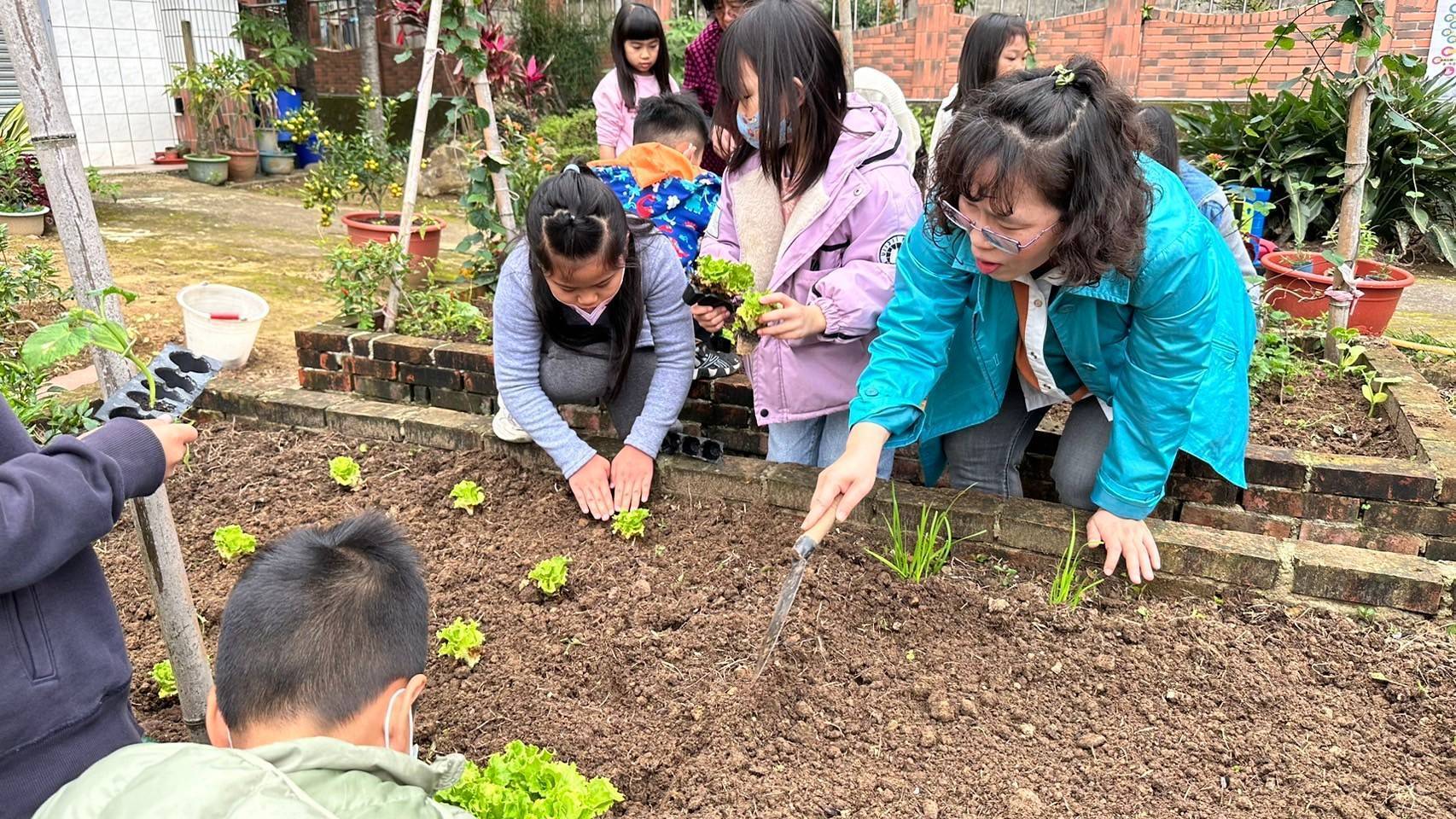
Since 2017, the Mingde Community has been promoting and teaching the Yuxin Farming Method, covering community vegetable gardens, the elementary school’s food and agriculture education plots, and other community areas, with over 95% of the community now practicing this method. Through years of on-site demonstrations and guided tours, the community has trained more than 10 local tour instructors.
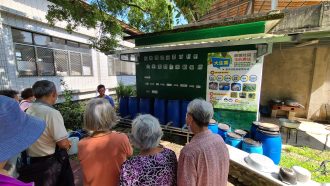
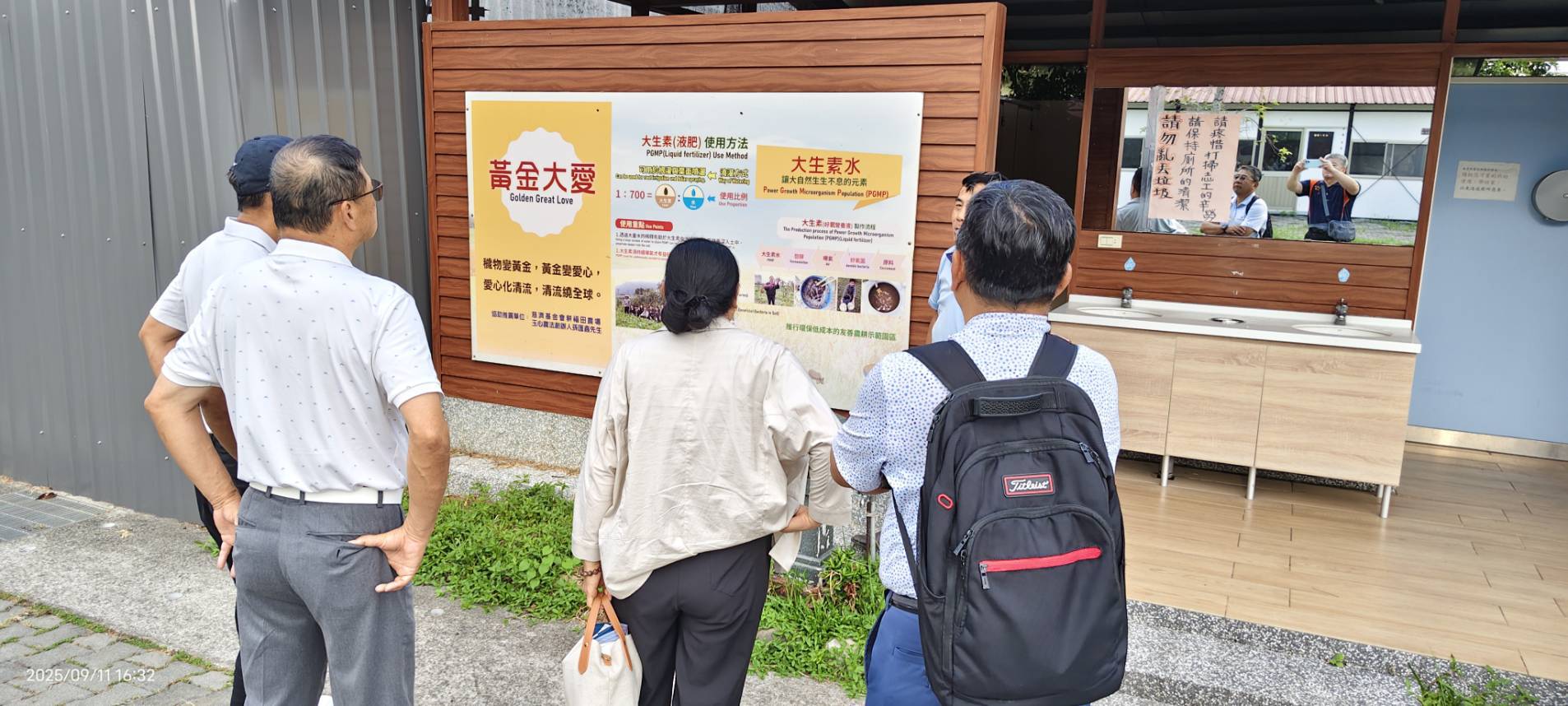
Furthermore, in collaboration with the Tzu Chi Foundation, the Industrial Technology Research Institute (ITRI), and the National Atomic Research Institute (NARI), the application of bioactive probiotics has been extended to environmental sanitation, microbial power generation, green hydrogen technology, and carbon sequestration, providing the community with diverse opportunities for environmental education and experiential learning.
-
- Photosynthetic bacteria (Rhodopseudomonas spp.) Introduction
-
- Bioactive probiotics Introduction
-
- Intergenerational Learning in the Food and Agriculture Garden
-
- Intergenerational Learning in the Food and Agriculture Garden
-
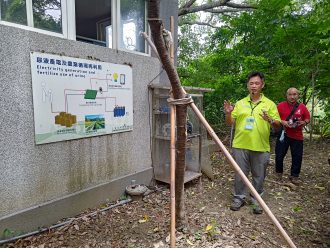
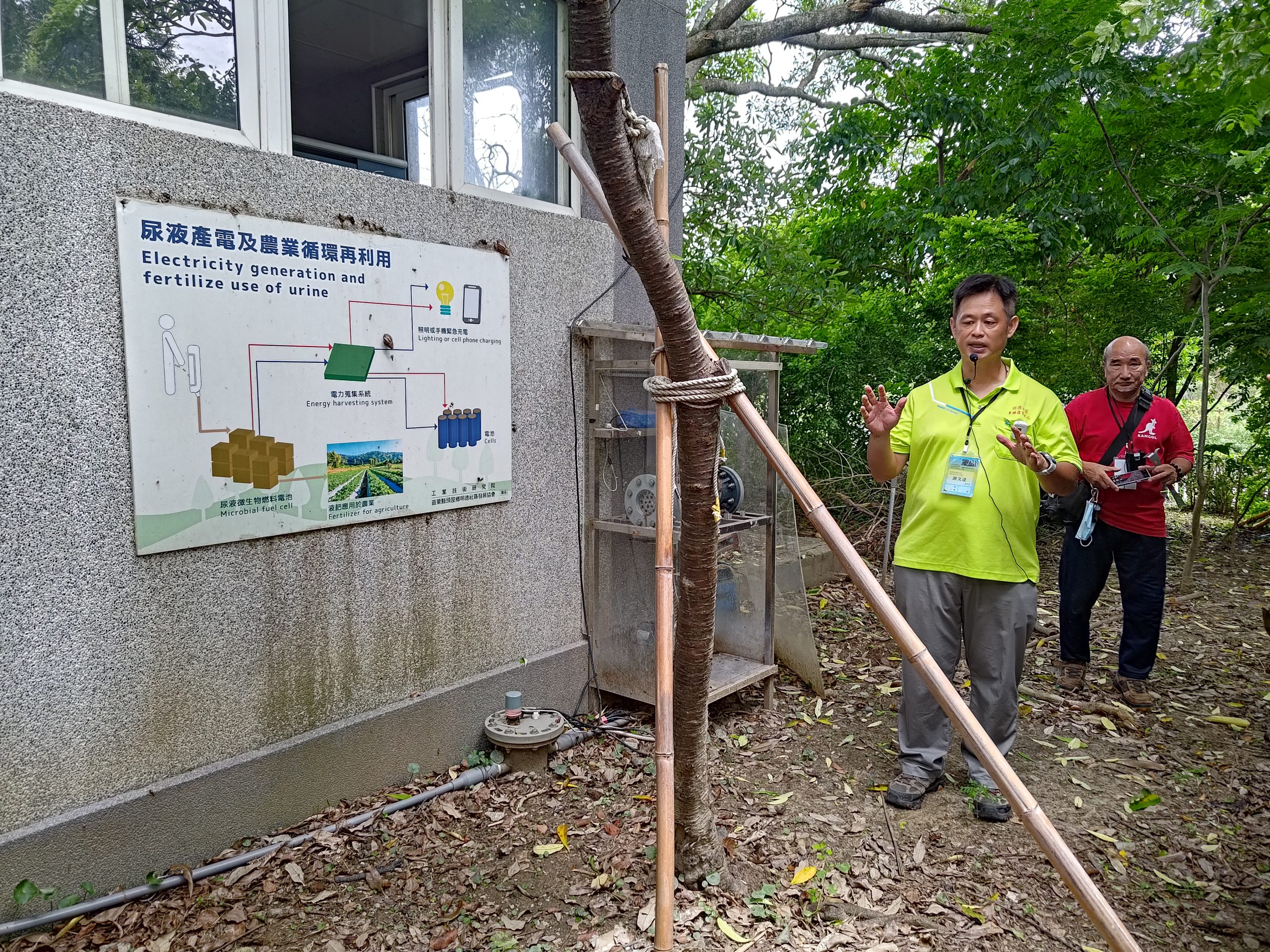
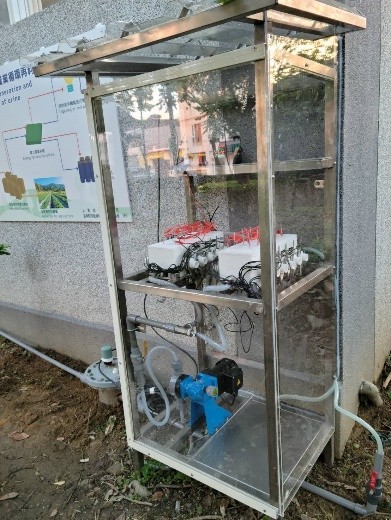
- Demonstration Area for Microbial Fuel Cell Power Generation Using Urine, Located Beside the Community Restroom (Guided by Industrial Technology Research Institute, Hsinchu)
4. Partners and Miaoli Cultural–Ecological Leisure Alliance
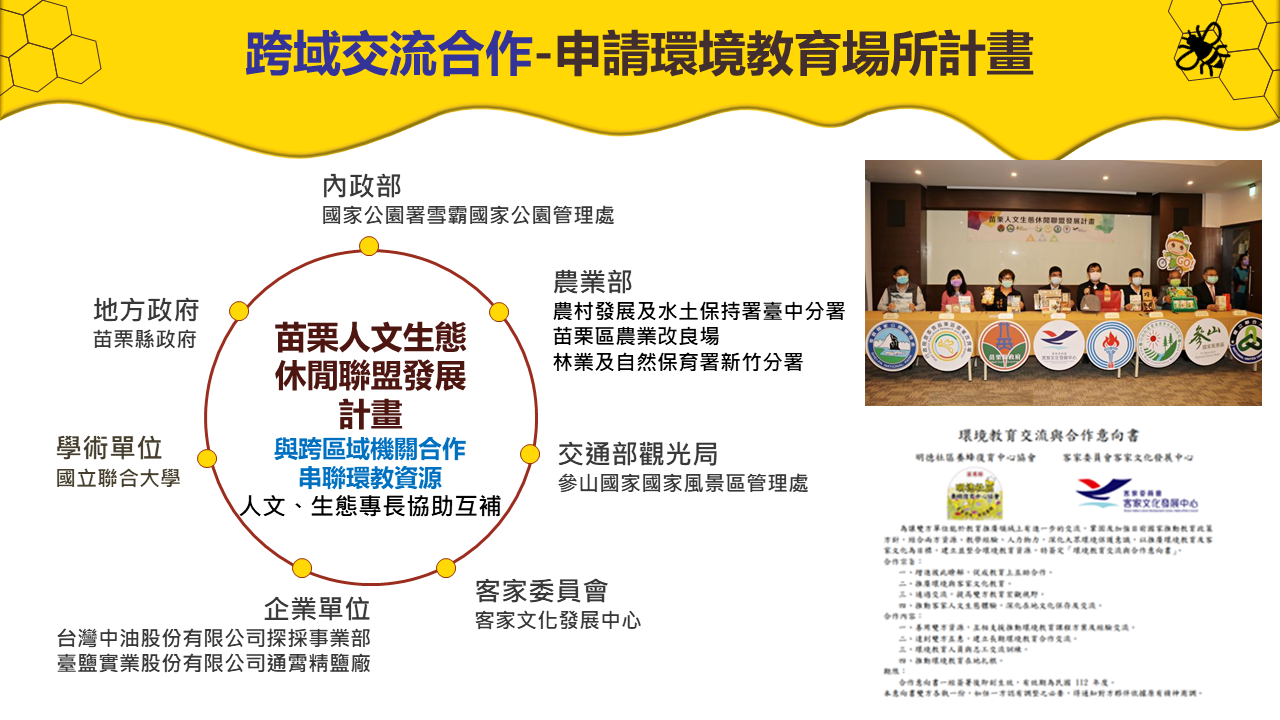
In 2017, the community, through the Community Forestry Program of the Forestry and Nature Conservation Agency, collaborated with the Community Forestry Center of National Pingtung University of Science and Technology and became one of the networked community forestry centers. By offering the “Miaoli Touwei Mingde Community Under-Forest Beekeeping Course,” the Mingde Community positioned itself as a pioneer in beekeeping within community forestry.
The community has actively connected with enterprises, schools, and other community partners, integrating resources from the public, private, and academic sectors. Through these collaborations, the community shares its Satoyama Initiative philosophy with other communities and businesses, fosters local social interactions, and supports mutual growth. This strategic approach strengthens resource connections and supports the community in its development and sustainable growth.
5. Promotion of the Community Low-Carbon Market
Aligned with the “Minghu Waterfront Recreational Corridor Tourism Industry Guidance Program” of the Tourism Bureau, Ministry of Transportation and Communications, the Mingde Community embraced a new development opportunity by establishing a distinctive community “Low-Carbon Weekend Market.”
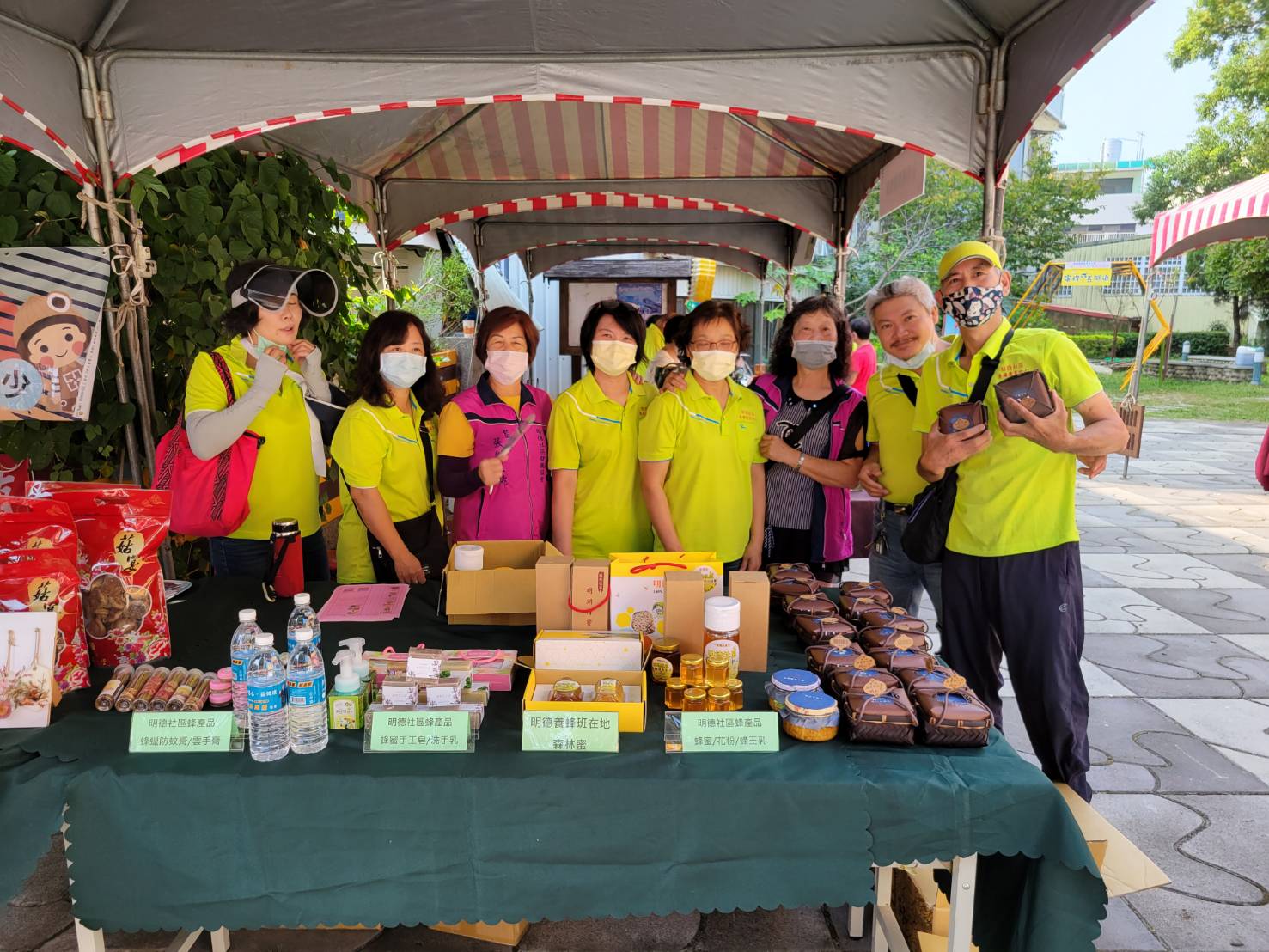
All market facilities, including seating and stalls, are constructed from recycled pallets and reclaimed wood, giving new life to waste materials while promoting the values of the circular economy. All vendors adhere to a green lifestyle policy, strictly avoiding plastic and paper bags and prohibiting disposable items, while enhancing the greenery and aesthetics of the space to create a comfortable, natural, and educational consumer environment.
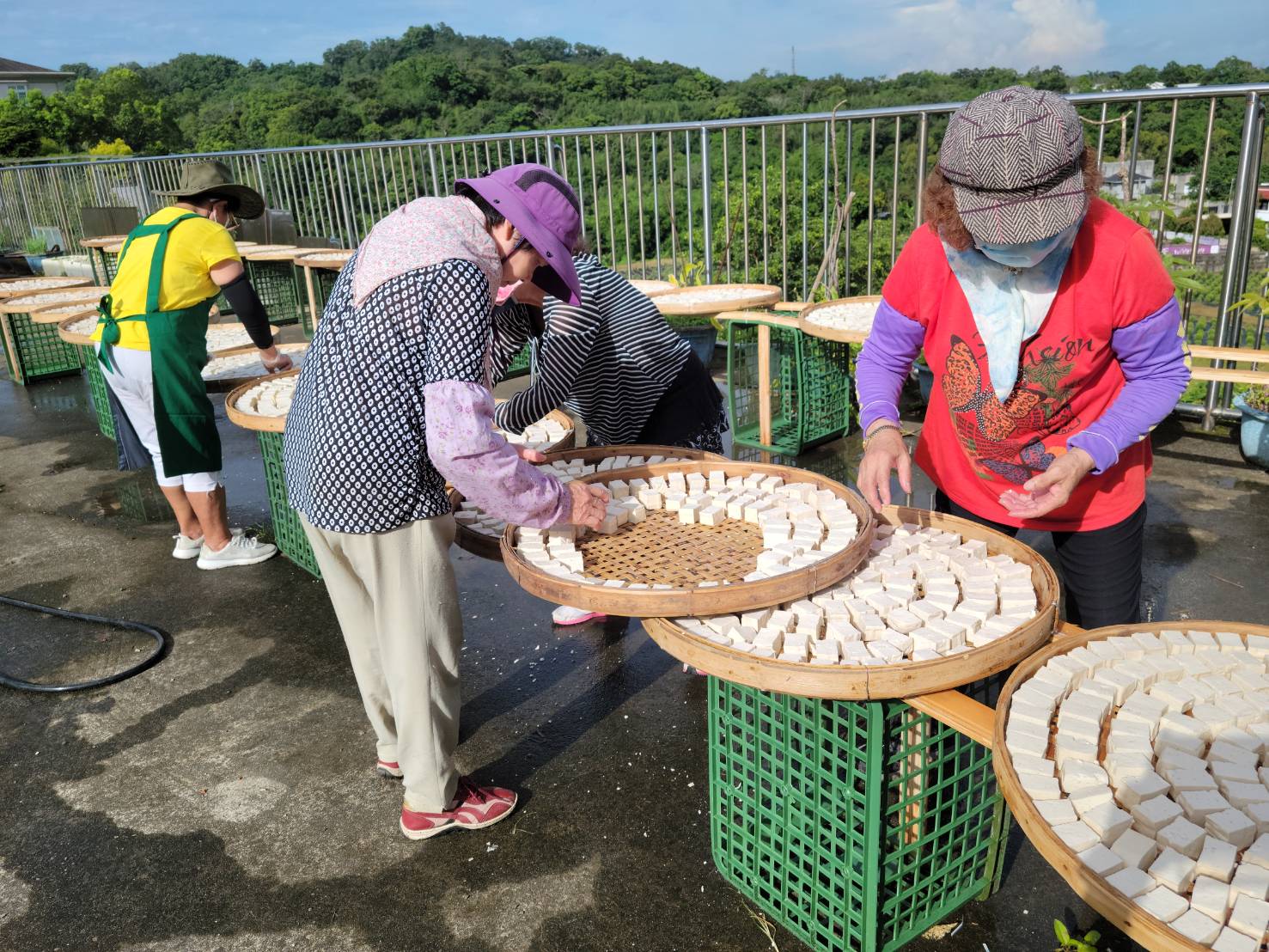
The market integrates community specialty industries and cultural resources, offering products such as bee products (honey, pollen, royal jelly, handmade honey soap, honey hand wash, and Lantana balm), traditional Hakka fermented tofu (sun-dried), Mingde pottery, and incense-related crafts (natural massage balls, cold incense pellets, handmade incense). Through on-site community tours and e-commerce channels, the market generates economic benefits, attracts young people back to the community, and fosters collaborative local development.
-
- Miaoli County Mingde Community Beekeeping Revitalization Center Association
-
- Miaoli County Mingde Community Beekeeping Revitalization Center Association
Future Prospects
The Mingde Community will continue to focus on environmental education, ecological conservation, and green economy as its core development priorities, advancing toward the goal of becoming a low-carbon and biodiversity demonstration community and building an ideally sustainable community.
- Deepening Environmental Education:
The community aims to expand the influence of the “Little Schoolhouse” program and establish a comprehensive ecological education system, enabling community residents and visitors of all ages to learn about environmental education and beekeeping knowledge and to apply these practices in daily life. - Expanding Community Collaboration:
By integrating resources from enterprises, academic institutions, and government agencies, the community will enhance its self-reliance and collaborative capacity. In addition to facilitating connections between the community and businesses, the Community Forestry Center will, starting in 2024, assist in linking the Mingde Community with neighboring development associations. Through resource sharing and mutual cooperation, the aim is to gradually expand the capacity for Satoyama-style community management in the region. - Green Tourism Development:
By establishing a community brand and organizing low-carbon-themed markets, the Mingde Community seeks to attract interested youth to return home and actively contribute to building a low-carbon community and promoting local industry, thereby co-creating a sustainable future for the community.