Yokohama’s Efforts to Conserve and Utilize Woodlands

02.12.2025

Summary Sheet

The summary sheet for this case study is available here.
Background

In the past, many forests in Yokohama were used as places to produce fuel, fertilizer, and various other necessities. They were carefully managed for their intimate connection with human life, and were environments where diverse plants and wildlife thrived.

However, these forests began to rapidly disappear as Yokohama became more urbanized, and changing lifestyles transformed the way that people interacted with them. As a result, more and more of the city’s woodlands received little or no human intervention. Such unmanaged forests not only tend to lose their biodiversity, but also pose a higher risk of landslides and other natural disasters.

This is a leading reason why the city government is taking action to conserve and utilize Yokohama’s forests. In addition to pursuing quantitative conservation through the system for stopping the tide of woodland shrinkage, the city partners with residents to keep the preserved forests in good shape.

The following is a look at three specific areas of action: 1) Community Woods program, 2) collaborative forest management, and 3) cultivation of healthy forests based on the Forest Management Guidelines.

Community Woods Program

Yokohama launched the Community Woods (Shimin no Mori) program in fiscal 1971 as the first initiative in Japan to use a community-based approach to protection of dwindling green spaces. This program conserves forests with the cooperation of landowners, and opens them up to the public as leisure spaces.

Specifically, the city enters into agreements with the owners of woodlands above a certain size, and clears trails and makes other improvements to the land. These areas are then opened for public use. Responsibility for managing the Community Woods is shared by the city and local residents.

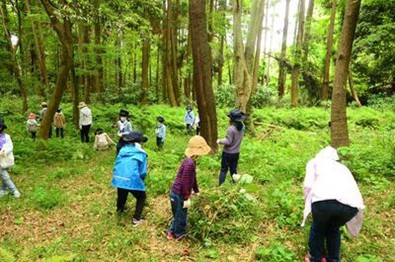
A similar initiative is the Small Community Woods (Fureai no Jurin) program, which is targeted at smaller woodlands in urban areas. As of April 1, 2024, Yokohama had designated 47 areas as Community Woods and 14 as Small Community Woods, all of which serve users from children to seniors as places for activities such as taking walks, observing nature, and engaging in forest management.

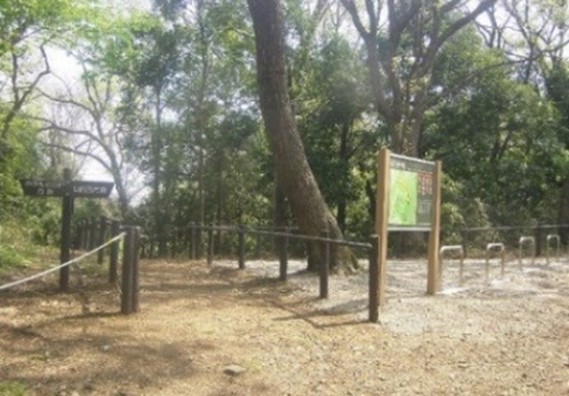
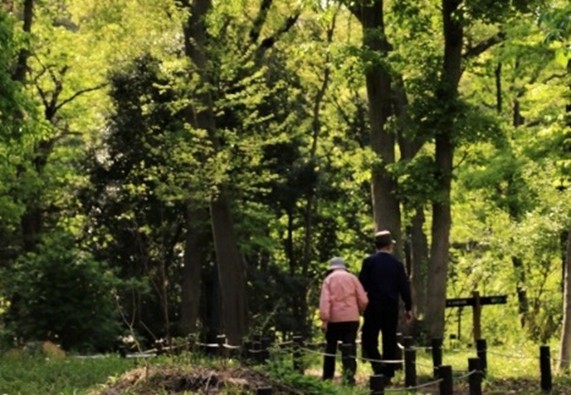
A Community Woods Area. Photos by City of Yokohama.

Collaborative Forest Management

Since the launch of the Community Woods program, the city government and residents have worked together to manage the conserved forests.

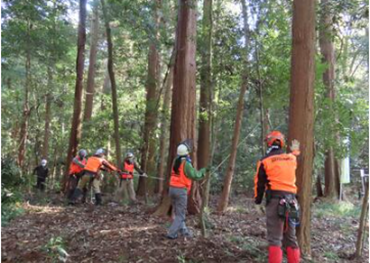
Various nature conservation and forest management groups formed by local residents and other participants are actively involved in the protection of Yokohama’s woodlands. These groups collaborate with the municipal government to cultivate healthy forests, with the two sides playing different roles. The city is responsible for jobs such as felling large trees, while the citizen groups handle more granular tasks, such as protecting rare plants.

The city also provides these groups with various forms of support, including loaning tools that they need, subsidizing their activities, and hosting training opportunities for learning basic skills, safety, and other knowledge essential for forest management talent development.

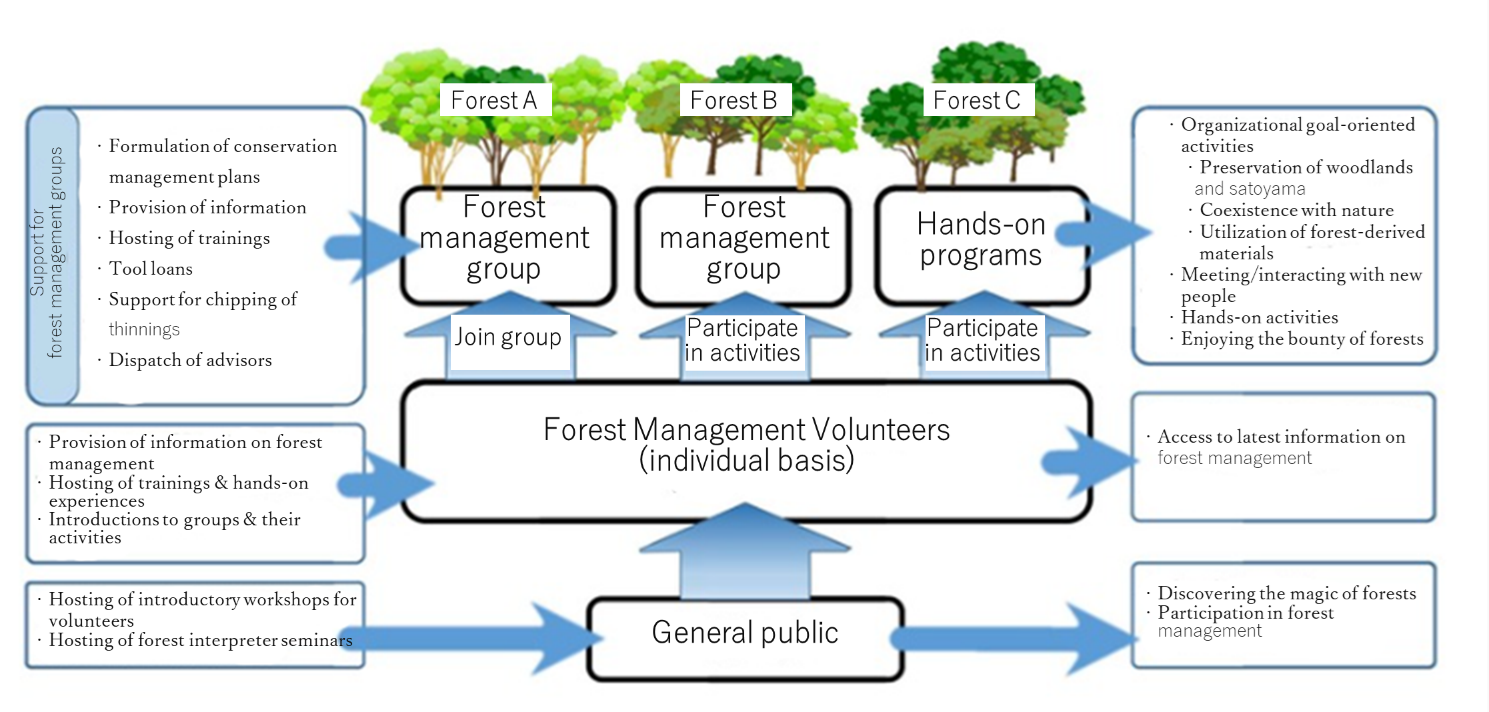
In addition, Yokohama runs the Forest Management Volunteers program for individuals who are not members of such groups but would like to be involved in forest conservation. Participants are provided information and training regarding the city’s forest management activities.

After gaining forest management skills from various training sessions, the volunteers can put those skills to good use by joining a forest conservation/management group or pursuing individual volunteer opportunities at their own pace.

As these examples illustrate, Yokohama advances diverse initiatives that enable many different people to take part in forest management activities in ways that fit their lifestyle.

Scheme for community-involved forest management.

Cultivating Healthy Forests Based on the Forest Management Guidelines

Yokohama’s forests consist of diverse terrain, geological features, and plant life, and serve various functions such as preserving biodiversity, providing spaces for recreation, and creating beautiful scenery. Given that these forests are used for all sorts of activities such as taking walks, conserving wildlife and plants, and interacting with others, attention needs to be given to protecting the safety of their users and local residents.

For this reason, a key part of sound forest management is to identify each forest’s characteristics (environment, functions, needs, etc.), formulate a vision for its future, define the methods of management, and share these insights with everyone involved in the management process.

Forest Management Guidelines

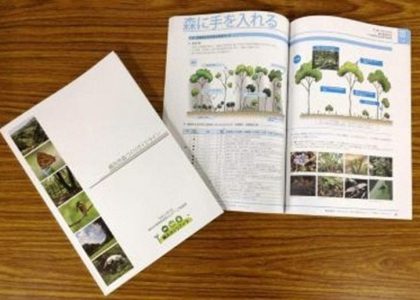
Accordingly, the municipal government has established the Yokohama Forest Management Guidelines to provide technical specifications for helping the city and residents to effectively maintain the Community Woods, Small Community Woods, and other local woodlands as healthy forests.

In addition, the city government formulates and implements a conservation management plan for each forest (Community Woods, etc.) to provide a more detailed course of action tailored to the local characteristics. The city also develops plans in coordination with private groups involved in nature conservation and forest management.

The city government and residents’ sharing of a common direction for forest management based on forest-specific conservation management plans enables forest management to be implemented in ways more closely attuned to the local environment and needs.

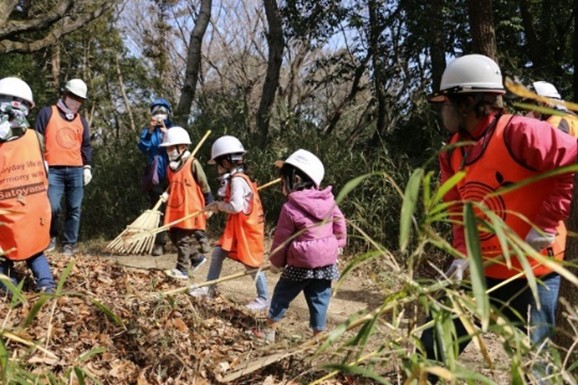
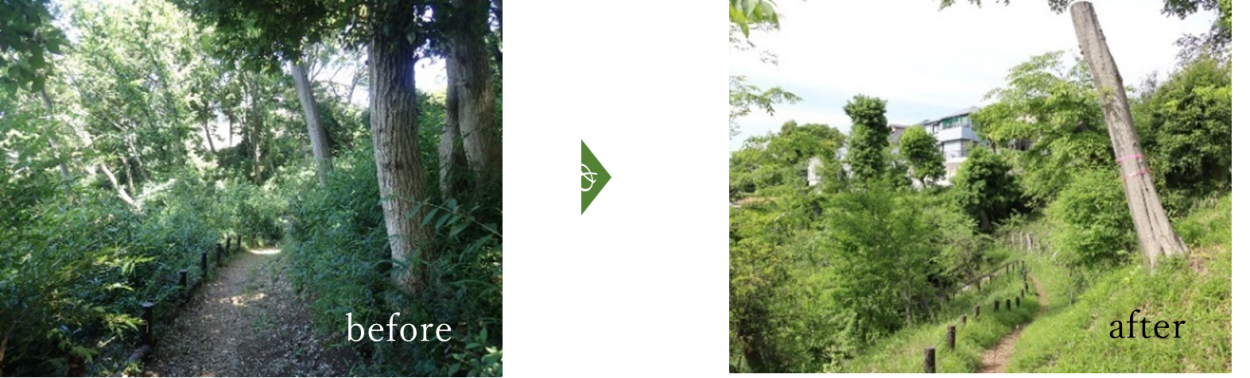
Forest transformed into high-quality environment through safety measures.

Conclusion: Actions Going Forward

As described in this case study, Yokohama carries out various initiatives that promote sound conservation, management, and utilization of the city’s forests. The municipal government will continue taking action to enable residents to enjoy and engage with these forests in diverse ways that match their personal lifestyle. This includes efforts to communicate information on the forests, enhance their appeal, and make them more accessible to residents.

At the same time, the city will further collaborate with residents and businesses to sustain the various roles and functions of Yokohama’s forests as reservoirs of biodiversity so that these precious woodlands can be passed down to future generations.

Online References